

Xiamen University
Xiamen University
Tell us about your profile and we will answer for this university: your chances, the deadlines and what to prepare.
Shortlist a few and we'll compare them side by side and assess each one.
A legacy of excellence
Xiamen University (厦门大学, XMU) stands as one of China's oldest and most prestigious institutions of higher learning. Founded in 1921 by Tan Kah Kee, a renowned patriotic overseas Chinese leader and Singapore-based entrepreneur, it holds the distinction of being the first university in modern Chinese history established by an overseas Chinese national. Nestled on the southeastern coast of Fujian Province in the scenic coastal city of Xiamen, the university is celebrated not only for its academic rigor but also for its stunning seaside campus, consistently ranked among the world's most beautiful. From its inception, Xiamen University has been at the forefront of China's educational development: it was included in the prestigious Project 211 (1995), the elite Project 985 (2000), and, in September 2017, was designated a Class A institution under the Double First-Class University Plan, a national initiative designed to nurture a select group of Chinese universities into world-class institutions by 2050.
As of September 2026, Xiamen University is ranked 341st globally in the QS World University Rankings 2026, 251–300th in the Times Higher Education World University Rankings 2026, 189th in the U.S. News Best Global Universities 2025, and 101–150th in the Academic Ranking of World Universities (ARWU) 2025. Domestically, XMU consistently ranks within China's top 20 universities, frequently cracking the top 15 in various national rankings. It is widely regarded as the strongest comprehensive university in Southern China, with particular strengths in economics and management, chemistry, journalism, law, marine sciences, and mathematics. Nineteen of its disciplines are ranked in the global top 1% according to the Essential Science Indicators (ESI), with chemistry, materials science, and engineering positioned in the top 1‰ globally (top 0.1%). In 2022, six disciplines—education, chemistry, marine science, biology, ecology, and statistics—were included in the second round of the national Double First-Class discipline list, affirming the university's leadership in these fields.
Directly administered by China's Ministry of Education, Xiamen University operates three main campuses on the Chinese mainland—Siming, Zhangzhou, and Xiang'an—as well as a pioneering overseas campus in Malaysia, opened in February 2016. The Malaysia campus is the first and, to date, the only fully independent overseas branch campus established by a Chinese Double First-Class university, a milestone often described as a "jewel embedded along the Belt and Road." The university enrolls more than 48,000 students, including over 2,800 international students from more than 50 countries, and employs nearly 3,000 full-time faculty members, roughly 74% of whom hold the rank of professor or associate professor. Its alumni network includes prominent leaders in government, business, and academia both in China and abroad, and the university maintains collaboration agreements with 283 universities in over 60 countries, positioning it as one of China's most internationally engaged institutions.
Chinese universities tighten portfolio and motivation-letter requirements every year — we track this university by university, so every application matches what the admissions committee actually expects right now.
Academic strengths, research institutes, and disciplines of excellence
Xiamen University is a comprehensive research university covering all twelve major disciplinary categories recognized in China: philosophy, economics, law, education, literature, history, natural sciences, engineering, medicine, management, arts, and interdisciplinary studies. The School of Economics, founded in 1921 alongside the university itself and formally restructured as China's first independent School of Economics in 1981, is one of the institution's crown jewels. Comprising five departments—Economics, Statistics, Finance, Public Finance, and International Economics and Trade—plus three major research centers (including the Center for Macroeconomic Research and the China Center for Energy Economics Research), the school is consistently ranked among the top centers for economics and finance education and research in China. Remarkably, approximately 60% of Xiamen University alumni employed by Fortune 500 companies are graduates of the School of Economics. The school also offers internationally competitive graduate programs taught entirely in English, attracting students from over 40 countries since 2007.
Chemistry and materials science represent another flagship strength. Xiamen University hosts the State Key Laboratory of Physical Chemistry of Solid Surfaces and the Collaborative Innovation Center of Chemistry for Energy Materials, both recognized as national-level research centers. The university's research in catalysis, electrochemistry, battery technology, and energy materials is widely cited. Marine sciences form a third pillar: XMU manages the State Key Laboratory of Marine Environmental Science, operates research vessels, and leads work in coastal and ocean management, marine policy and law, marine economics, and ocean carbon management. In 2007, the university launched China's first international master's program in Marine Affairs (MMA), taught entirely in English and designed for both Chinese and international students; as of 2022, this program has graduated over 200 students from 29 countries. In May 2026, XMU's Environment and Ecology discipline entered the ESI global top 0.1% for the first time, marking a major breakthrough.
Beyond these, the university operates the State Key Laboratory of Molecular Vaccinology and Molecular Diagnostics, the State Key Laboratory of Cellular Stress Biology, and the National Institute of Diagnostics and Vaccine Development in Infectious Diseases, all of which gained heightened prominence during recent global health challenges. XMU's academic structure comprises six academic divisions, 34 schools and colleges, 18 research institutes, and 36 postdoctoral research stations. Emerging strengths include artificial intelligence, flexible electronics, aerospace engineering, and biomedical sciences, with institutes dedicated to each of these fields. The university's research output is substantial: faculty regularly publish in top-tier international journals, and XMU has seen a sharp rise in monographs, textbooks, and high-impact research articles since the early 2000s.
Show the full profile
Campus and city life: Xiamen as a student haven
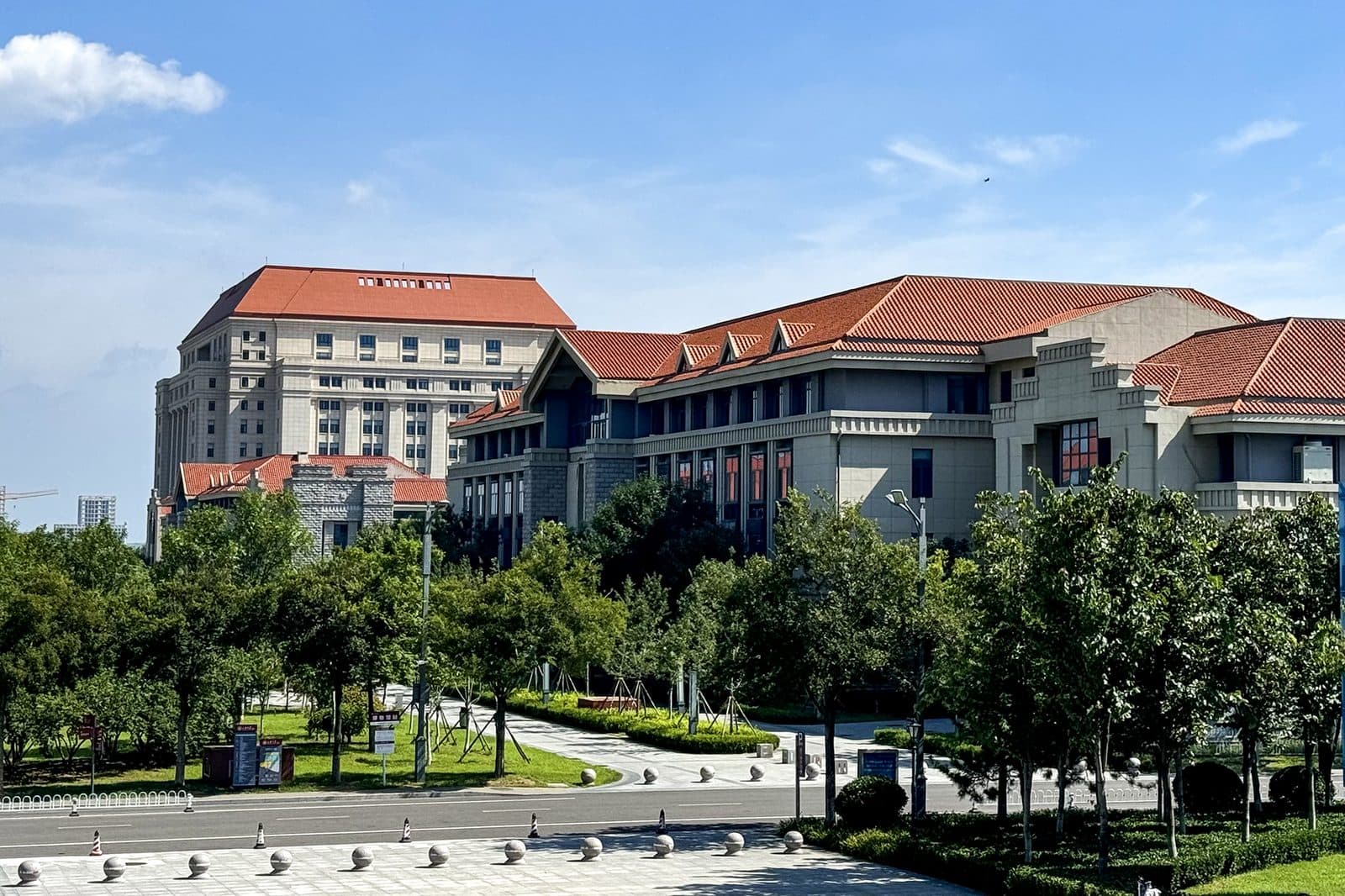
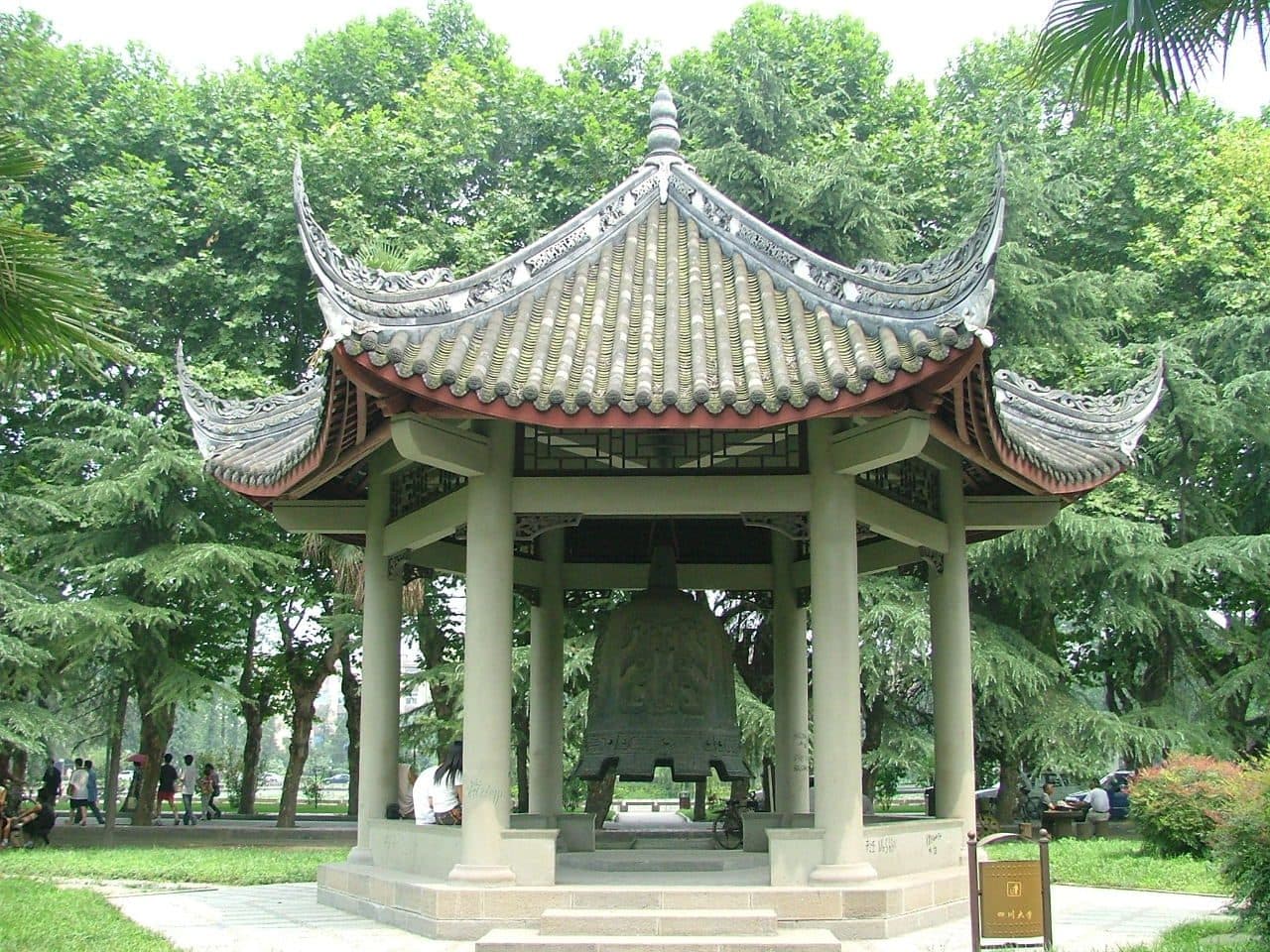
Xiamen University's Siming Campus, the original and most iconic site founded in 1921, is frequently cited as one of the most beautiful university campuses in the world. Nestled between green hills and the blue sea, the campus features the lotus-filled Furong Lake, historic colonial-era buildings such as Jiannan Hall, the Lu Xun Memorial Hall, and a famous tunnel adorned with vibrant student murals near the South Gate. The campus itself is open to the public on certain days and at certain times (passport required for entry), though visitor numbers are capped during peak seasons, so prospective students and tourists are advised to arrive early if they wish to explore. Just beyond the campus gates lie Xiamen's beaches and the ferry pier to Gulangyu Island, a UNESCO World Heritage Site renowned for its car-free streets, colonial architecture, and serene atmosphere.
The city of Xiamen is one of the most livable and foreigner-friendly cities in China, particularly for students. With a population of approximately five million, it is a mid-sized coastal city blessed with a subtropical climate—mild winters, hot and humid summers, and occasional typhoons in the late summer and early autumn, though serious flooding is rare and the city's infrastructure is robust. Xiamen boasts a modern metro system, extensive bus networks, and an international airport, making travel within the city and to other parts of China and Asia straightforward. The cost of living is notably lower than in Beijing or Shanghai: international students typically spend between 2,500 and 4,000 RMB per month on living expenses, including housing, food, transportation, and personal spending. This makes Xiamen an affordable yet comfortable base for study.
Most international students live in on-campus dormitories during their first year, which are reserved for overseas students and provide a simple, social environment for newcomers. Dormitory rooms are modest but clean, typically housing two students per room, with shared bathroom and shower facilities (hot water showers operate on a pay-per-use basis at a nominal fee). The campus card serves as both an identity document and a payment tool for campus canteens (meals typically cost 15–25 RMB), library access, and dormitory electricity top-ups. Many students move off-campus after their first year; monthly rent for an apartment near the Siming campus typically starts around 2,500 RMB and varies depending on location and amenities. The campus culture is vibrant, with numerous student clubs, a strong international student community (students hail from India, Africa, Southeast Asia, the Middle East, and beyond), libraries and learning commons, cafes, sports facilities, and cultural spots dotted around the grounds.
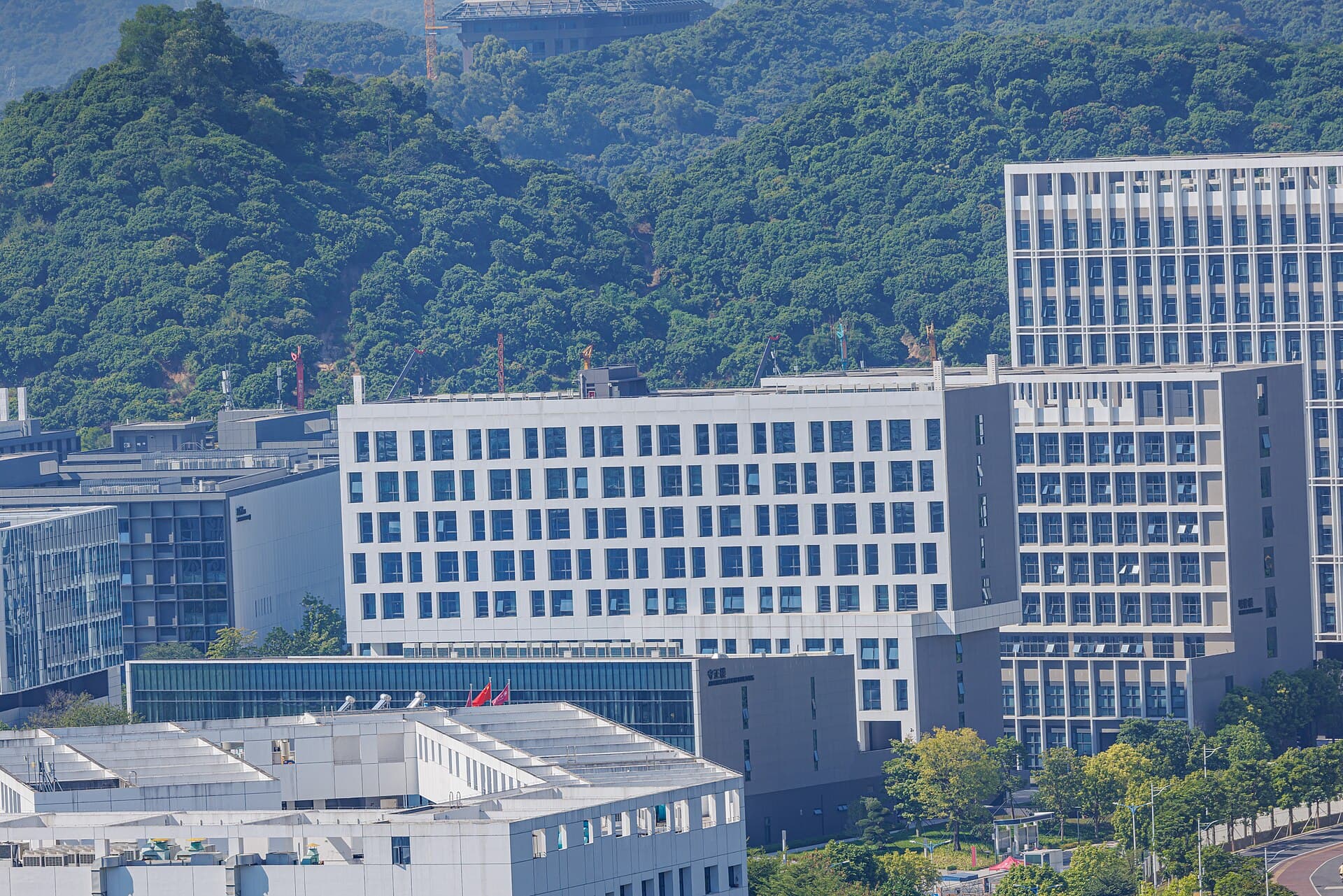
In addition to the Siming Campus, Xiamen University operates the Xiang'an Campus, a large, modern campus built in recent years on the coast about 90 minutes by bus from downtown Xiamen. Some programs, particularly in natural sciences and engineering, are based in Xiang'an. There is also a Zhangzhou Campus in a neighboring city. International students in humanities, social sciences, business, and most graduate programs are typically based at Siming, though this can vary by program. Students uniformly describe life at XMU as balanced: rigorous academically, yet offering ample opportunities for relaxation, exploration of the city and its surroundings, and cultural immersion in a setting that feels both cosmopolitan and distinctly Chinese.
Competition and entry requirements
Xiamen University is a selective institution, particularly for bachelor's and master's programs in economics, finance, chemistry, marine science, journalism, and medicine. Admission for international students for September 2027 entry is based on document submission via the university's online application system (application.xmu.edu.cn), qualification verification, and academic assessment, which may include a remote video interview or written test for certain programs. Bachelor's degree applicants must hold a high school diploma or equivalent, notarized and authenticated by the Ministry of Education or Ministry of Foreign Affairs of their country of origin (for diplomas obtained outside mainland China), plus official transcripts covering all years of senior secondary education. Results of national high school exit exams or internationally recognized standardized tests such as A-Level, SAT, ACT, IB, or UEC are strongly encouraged and considered favorably during review.
Language requirements depend on the medium of instruction. For programs taught in Chinese, applicants to humanities, social sciences, economics, management, law, and arts programs typically require HSK Level 5 with a score of at least 210; applicants to sciences, engineering, and medicine programs typically require HSK Level 4 with a score of at least 210. Applicants whose previous degree was taught in Chinese may submit a medium-of-instruction certificate from their previous institution in lieu of HSK. For programs taught in English, applicants should submit a valid TOEFL iBT score of at least 80 or IELTS Academic score of at least 6.0. Native English speakers or applicants who completed their previous degree in English may be exempt from this requirement upon submission of appropriate documentation.
Starting in 2026, bachelor's degree applicants are required to take the China Study Capability Assessment (CSCA, 来华留学本科入学学业水平测试), a standardized entrance exam developed by China for prospective international undergraduate students. The necessity of CSCA, the specific subjects to be tested, and the language of the exam depend on the target university, program, and admission year; applicants should verify official requirements from the university and CSCA (www.csca.cn) before registering. For September 2027 entry, applicants should plan to sit the CSCA exam in December 2026 or January 2027, and submit their valid score report along with other application materials. However, implementation details may vary by university and by program, so it is essential to confirm the current policy with XMU's Admissions Office before registering for the exam.
Application deadlines typically open in December of the preceding year and close in late March to mid-April (for September entry). For example, for September 2027 entry, the deadline for bachelor's and master's programs is expected to fall in late March to mid-April 2027, but exact dates should be verified on the official admissions website. The application fee is 400 RMB, payable online upon submission. For master's and doctoral programs, it is strongly recommended (though not mandatory) that applicants contact potential supervisors in advance; faculty contact details are available on departmental websites. For the MBBS program (six-year English-medium Bachelor of Medicine and Bachelor of Surgery), the university conducts compulsory remote video interviews for shortlisted candidates; the schedule is announced by the School of Medicine.
Scholarships, costs, and financial support
Xiamen University offers several scholarship programs for international students, ranging from full scholarships that cover tuition, accommodation, living allowances, and insurance, to partial scholarships covering tuition alone. The most prestigious is the Chinese Government Scholarship (CGS), administered by the China Scholarship Council (CSC). Xiamen University participates in the CGS–Chinese University Program (Category Type B), which applicants may apply for directly through XMU's Admissions Office. According to information current for 2026, the university expects to allocate around 50 places under this program, pending final approval by CSC each year. The CGS covers full tuition, free on-campus accommodation or an accommodation subsidy, a monthly stipend (CNY 2,500 per month for undergraduates, CNY 3,000 for master's students, CNY 3,500 for doctoral students), and comprehensive medical insurance (CNY 800 per year). The application period for the CGS–Chinese University Program typically runs from early December through mid-February (for example, for 2027 entry, the period was December 1, 2025, to February 15, 2026).
Alternatively, the CGS–Bilateral Program is available through Chinese embassies or consulates in the applicant's home country, with application submitted not to the university but to the diplomatic mission; coverage and monthly allowances mirror the university program, but quotas and deadlines are set by the embassy. In addition, Xiamen University offers its own Xiamen University New International Students Scholarships, which are divided into first-class scholarships (covering tuition plus a monthly living allowance at CGS rates) and second-class scholarships (covering tuition only). Quotas for university scholarships are limited: for bachelor's programs, around 5 second-class places; for master's programs, 3 first-class and 8 second-class places; for doctoral programs, 3 first-class and several second-class places. The application period for university scholarships is typically longer, usually running through mid-April. Other funding sources include the Fujian Provincial Government Scholarship and the Xiamen Tan Kah Kee Scholarship, both awarded on a competitive basis.
Tuition fees at Xiamen University are generally moderate compared to other leading Chinese universities. For bachelor's programs taught in Chinese, fees typically range from approximately CNY 24,000 to CNY 26,000 per academic year (around CNY 24,000 for liberal arts, CNY 26,000 for sciences, engineering, economics, management, law, and arts). The English-medium MBBS program costs around CNY 38,000 per year, while certain English-medium design programs may cost around CNY 90,000 per year. Master's programs taught in Chinese typically cost from approximately CNY 26,000 to CNY 30,000 per year, while English-medium international master's programs range from approximately CNY 39,000 to CNY 45,000 per year; doctoral programs range from approximately CNY 30,000 to CNY 55,000 per year depending on medium of instruction and field. Important: tuition fees, scholarship amounts, and policy details are subject to annual revision by the university; prospective students should confirm current figures with the International Admissions Office at admissions@xmu.edu.cn before budgeting or making final decisions.
How we help you apply
Xiamen University is a highly competitive institution with specific requirements for language proficiency, academic documentation, and, increasingly, new assessments such as the CSCA. Successfully applying on your own requires meticulous attention to deadlines, correct notarization and authentication of diplomas and transcripts, careful navigation of scholarship application procedures, a nuanced understanding of program differences (some taught in English, others in Chinese; campuses differ in specialization), and timely preparation of compelling motivation essays, CVs, and recommendation letters. For applicants targeting XMU's competitive programs in economics, finance, chemistry, marine affairs, or medicine, a misstep at the application stage can close the door to one of Southern China's most beautiful and prestigious universities.
UNIPROFI consultants work regularly with applicants to Xiamen University and are familiar with its requirements for international students, admission cycles, selection criteria, and the particularities of individual schools and programs. We help clients choose the most suitable program based on their academic profile, prepare a strong CV and a persuasive motivation letter tailored to the expectations of Chinese admissions committees, gather and correctly format all necessary documents (notarizations, translations, medium-of-instruction certificates), register for CSCA if required for your program, and submit scholarship applications—whether for CGS, university scholarships, or other sources—with complete documentation and within the correct deadlines.
For applicants targeting China's top-tier universities, including Xiamen University, UNIPROFI offers the Admission to China's Top-10 Universities plan, which includes a personalized application strategy, program matching based on your profile competitiveness, preparation for all stages of academic assessment and interviews, and a consultation with a Tsinghua University expert who shares insights on succeeding in China's elite universities. For those who wish to handle some aspects themselves, the Guided Admission to China plan covers key application stages and ongoing consultation. Those seeking to navigate the process independently with reliable information, templates, checklists, and an initial consultation may opt for the Self-Guided Admission to China plan. In addition, we offer individual services such as CSCA prep: foundation course and CSCA prep: intensive course, Grants for studying in China (scholarship application support), Mock interview for China's top universities, and Chinese student visa support. For current packages, pricing (displayed in your currency on the site), and service details, visit uniprofi.org.
A real admission case

Victoria
Xiamen University — scholarship
«It was one of the most intense and happiest periods of my life»
Read more reviewsTell us about yourself — we'll build an admissions strategy for this exact university.
Many students get in through our preparatory Language Year — an intensive year of Chinese at a partner university, followed by a move onto the main program.
What the Language Year isFrom application to admission
Profile review and strategy
We study your academic profile, goals and budget, assess your real chances, and shortlist universities and grants for your specific situation.
Document preparation
We help with translation, notarization, your motivation letter, CV and recommendations — tailored to each university's requirements.
Filing applications and university correspondence
We file your documents, track status, respond promptly to admissions offices, and keep every deadline under control.
Visa, move and your first weeks
We arrange your visa, insurance and medical exam, help with housing and transfer, and stay in touch after you arrive.
How we support admission here
From filing documents on your own to admission at one of China's top-10 universities — pick the level of involvement that fits you, and see exactly what's included in each tier.
If you're not admitted to any of your chosen universities, then under the terms of the agreement we'll refund your payment minus documented expenses, or support a free re-application the following year.

Common questions about admission
Why apply through UNIPROFI specifically?
UNIPROFI is about a well-thought-out application and a strong outcome: we build an application path around your profile, goals and the requirements of your selected universities. You work with mentors who are current students or graduates of these schools, so you get real understanding of the system, campuses and opportunities — not theory. We take on complex cases (including minors and admission without an 11th-grade diploma), build an individual strategy for your profile and goals, and support you through every stage, from documents to your visa.
Do you guarantee admission?
We don't offer "guarantees for the sake of a sale," because no one can directly influence a university's decision. What we do is structure everything to minimize the risk of rejection — matching you to the right universities, building a strong application strategy, and preparing documents carefully. Any refund or re-application arrangement is governed only by the current service agreement and the circumstances of the case.
What are my actual chances of getting in?
We do not state a universal admission probability because the decision belongs to the university. We instead assess your profile, programme requirements and application strategy.
Can I apply on my own — why do I need you?
You can, but most students end up losing time, making mistakes, or settling for weaker universities. We save you months, help you start at a stronger level, and prevent the mistakes that can cost you admission.
Get in touch to get started
Tell us about yourself and what you're specifically interested in — our specialists will help you find the right format.