 Admission · Germany



The biggest misconception: “Germany is free”
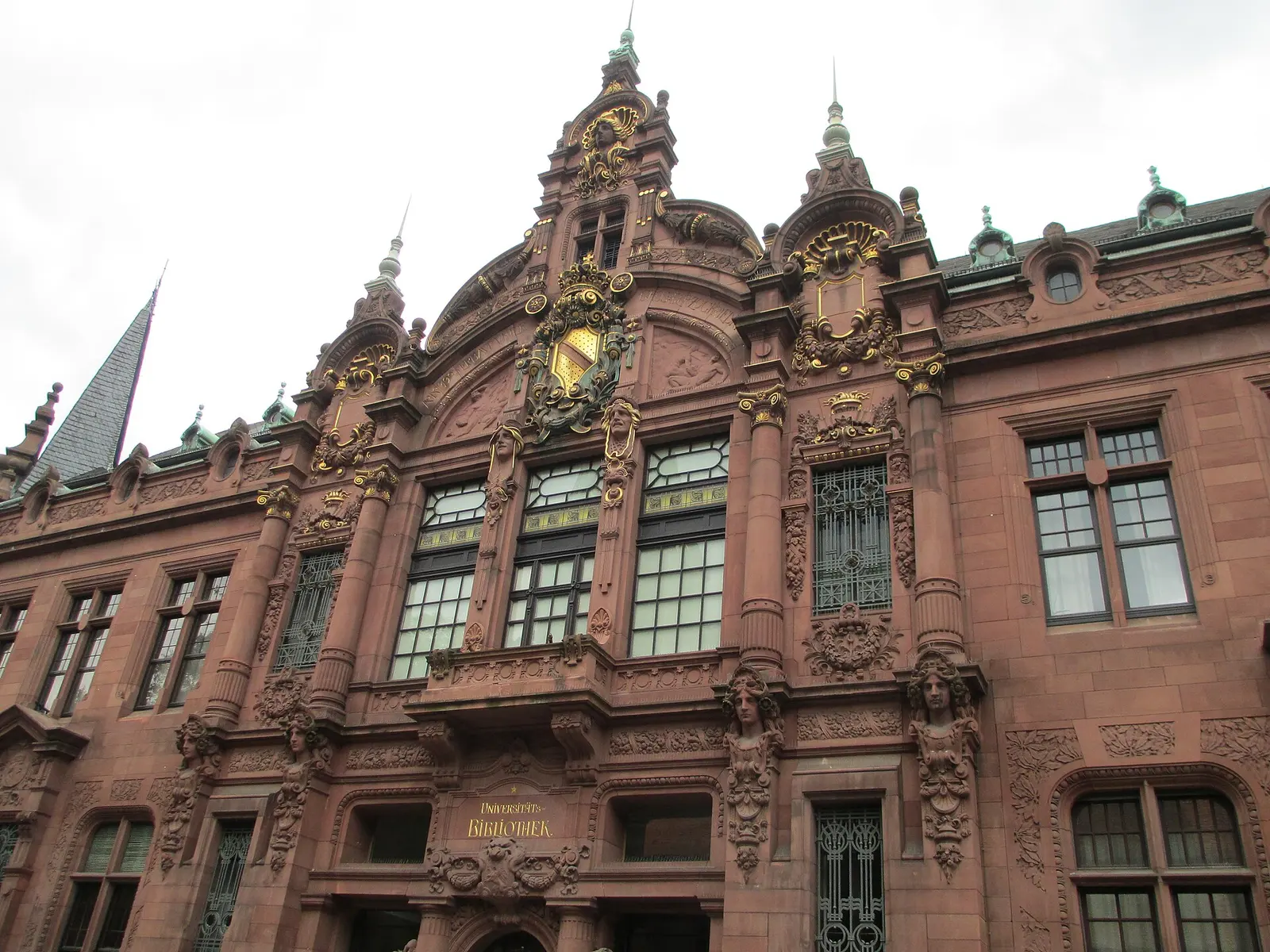
Tuition in Germany is decided by the state, not by the country. In most federal states public universities genuinely charge nothing for a first degree, international students included. But Baden-Württemberg — the state of Heidelberg, Tübingen, Freiburg, KIT and Stuttgart — has charged international students who came from outside the EU to study 1,500 euros per semester since the 2017/18 winter semester. It is set by the state's higher education fees act (Landeshochschulgebührengesetz) rather than by any one university, so moving to another university within the state does not help.
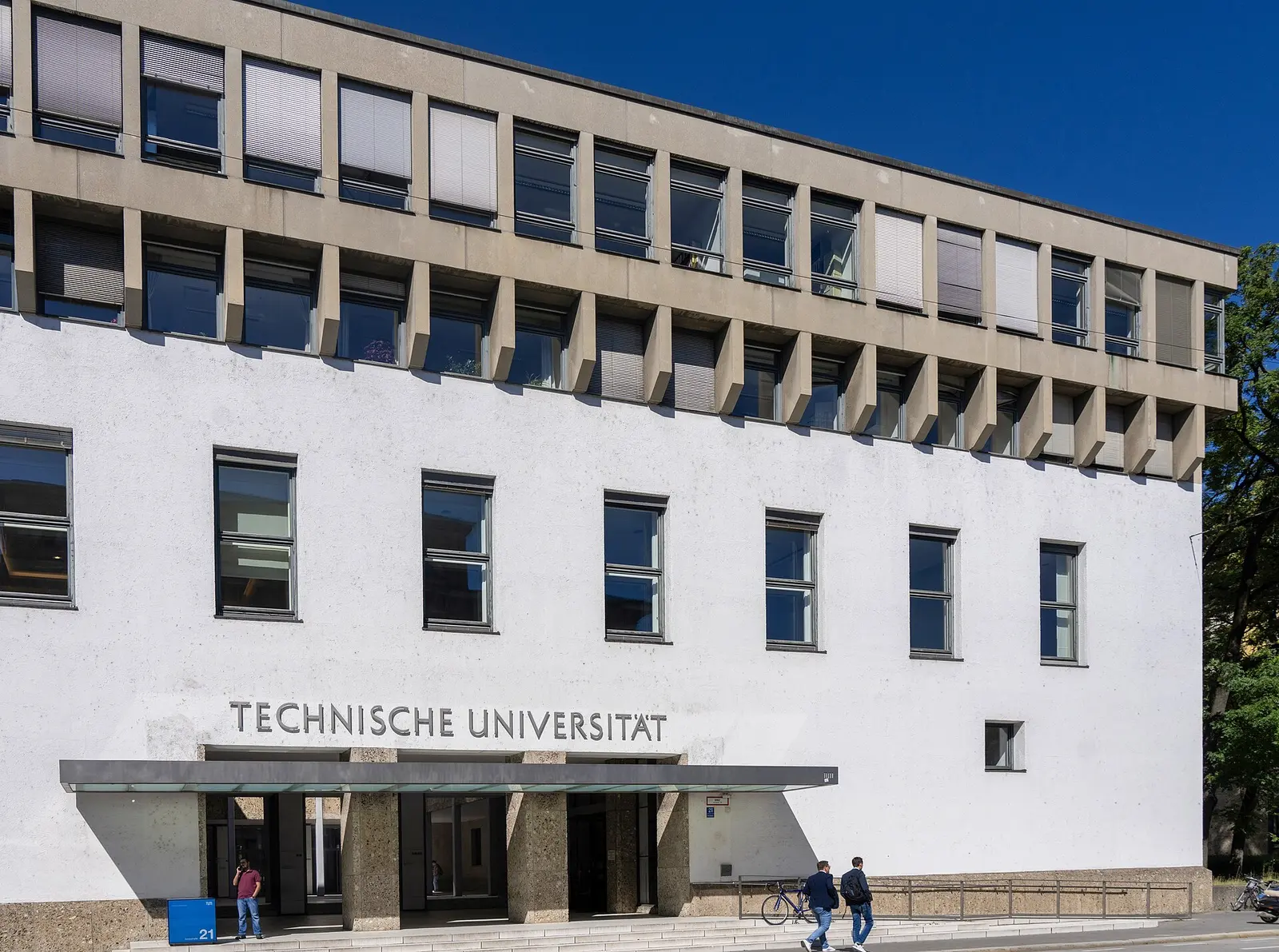
Individual universities charge outside Baden-Württemberg too. The Technical University of Munich charges non-EU applicants, as a rule, 2,000 or 3,000 euros per semester for a bachelor's degree and 4,000 or 6,000 euros per semester for a master's, the exact amount depending on the programme. For a master's that is 8,000 to 12,000 euros a year: ordinary European tuition, not free study in Germany.
On top of this every student everywhere pays the semester contribution (Semesterbeitrag), which funds the student union and a transport pass rather than teaching, and the amounts are small: at TUM it is 97 euros for the 2026 summer semester in Munich, Garching and Weihenstephan. The conclusion is simple — "how much does studying in Germany cost" has no answer until you name the state and the university, and a budget has to be built from a specific programme.