








France
Admission · France

University admission in France with people who studied there

From the 2026/2027 academic year, differentiated tuition for non-EU students in France became effectively mandatory. The change is recent, and many agencies are still selling the outdated picture.

Catalogue
71 universities profiled
Language of instruction
French or English
Visa
VLS-TS "étudiant"

Our mentors for this country come from its leading universities, including PSL University (Paris Sciences et Lettres)

Work through admission to France
Or message us directly

Tell us about yourself and we'll answer for this country: requirements, timing and where to start.

See universities and open rounds

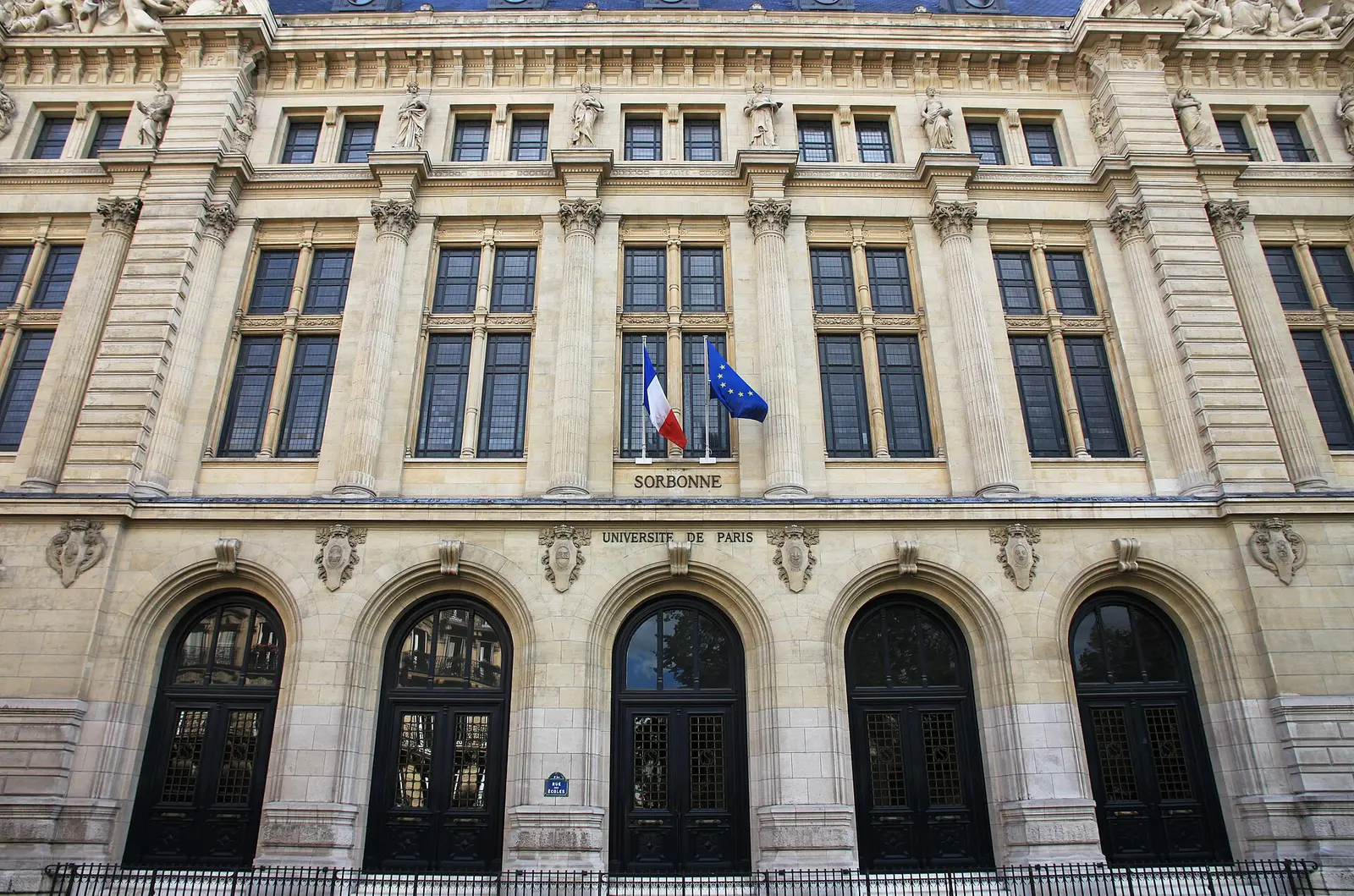
Photo: Michal Osmenda from Brussels, Belgium · CC BY-SA 2.0 · Wikimedia Commons

France in a minute

What gets checked first. Many people find out about it too late.

Good to know in advance

Non-EU fees rose sharply from 2026/27; at most 30% are exempted

We tell you this before you pay, so you don't waste a year and your money.

Language of instruction
French or English
Visa
VLS-TS "étudiant"
Doctorate
Charged at the standard rate

In-depth guide: university admission in France

01

What changed: the decree of May 2026

Décret no. 2026-385 of 19 May 2026 fundamentally changed the picture. Since 2019, differentiated fees for non-EU students had been encouraged but optional, and most universities declined to charge them. From 2026/2027 they became effectively mandatory, and universities' ability to waive them is capped.

Current rates per Campus France: bachelor's is EUR 178 a year for EU, EEA and Swiss citizens against EUR 2,902 for everyone else; master's is EUR 255 against EUR 3,950. Doctoral study remains the exception, charged at the standard EUR 397 regardless of nationality.

Universities may exempt at most 30% of their non-EU students in 2026/2027 — confirmed on Université Lyon 1's official page. An exemption is therefore not something to plan around as the default.


02

Who is exempt automatically

Beyond the capped waivers, some categories are exempt automatically: doctoral candidates, third-cycle health students, refugees and holders of subsidiary protection, long-term resident cardholders, those with French tax residency for over two years, CPGE students, residents of Québec, French government scholarship holders, and students already exempt in 2025/26 who continue at the same institution on the same programme.

The honest conclusion: even after the increase, EUR 2,902–3,950 a year at a globally ranked public university remains far below the UK, US or Australia. But "France is nearly free" is no longer accurate, and you cannot budget on it.

03

The Eiffel scholarship and the visa

The main government scholarship is France Excellence Eiffel, managed by Campus France. A structural point that matters: students cannot apply themselves — the host French institution applies on their behalf. The 2026 call closed on 8 January 2026 and the next cycle's dates are unconfirmed, so we do not publish them.

The visa is the VLS-TS "étudiant", which doubles as a residence permit but must be validated within three months of arrival. Work is permitted up to 20 hours a week. For 46 countries, going through the "Études en France" (Campus France) platform is mandatory.

04

UNIPROFI and France

We work the France direction at a moment when the rules have just changed — which is precisely why currency of information matters most here. We track this decree and will re-check the figures before each consultation rather than repeating last year's articles.

Write to us if you are considering France and we will work out your real budget under the new rates and check whether you fall into an exempt category.

How we take you through admission in France

01

Getting to know you

You message us or take the quiz on the site. We ask about your goal, budget, language and timing.

02

Plan

We suggest countries, universities and programmes that suit you. If we see anything that could get in the way, we tell you straight away.

03

Documents and applications

We help with your documents and motivation letter, submit the applications and deal with the admissions office.

04

Admission and the move

You get your offer letter, and we help with the visa, insurance and housing. We stay in touch for your first weeks there.

Frequently asked questions about studying in France

What language are degrees taught in in France?

French or English. Which exam you will be asked for and how we prepare you is covered under Language and exams.

What visa do I need to study in France?

VLS-TS "étudiant". The documents and timing depend on the university and programme — we check them against your case.

What scholarships are there in France?

The main programme is France Excellence Eiffel. What you can apply for with your profile is covered under Grants and scholarships.

What should I know in advance about applying in France?

Non-EU fees rose sharply from 2026/27; at most 30% are exempted

How many universities in France are in your catalogue?

71 with full profiles: status, rankings, city and requirements. We also help with universities that aren't in the catalogue yet.

How does UNIPROFI help with admission in France?

We shortlist universities and programmes for your profile, prepare your documents and motivation letter, submit the applications and help with the visa and the move. If anything could stand in the way, we tell you before you pay and suggest another option.

Write to us

Tell us where you'd like to study and what you're interested in. We'll suggest where to start and how we can work together.