
A language year in China
Immerse yourself 100% in the language and culture of China: live, study and practice in a genuine language environment. Any city and region of China — pick what suits you.
Why do a language year
A soft landing instead of a leap into the unknown
Instead of starting a full program with no language and no feel for the system, you get a year to settle in: figure out the schedule, the teachers, the city — and start the main program with confidence, not panic in week one.
Better odds at a funded seat or scholarship
Many grants and scholarships already require HSK4 or higher at the door. A language year closes that gap and opens funded seats that aren't reachable without the language.
Cheaper than a mistake
Failing an exam or struggling through a program with no language base costs more than a prep year — lost time, money on a withdrawal, and the stress of redoing documents and a visa.
Immersion, not a textbook
You're not memorizing grammar in isolation — you use the language every day on campus, in shops, with your dorm neighbors. That's several times faster than lessons back home.
What the language year includes
Conversational practice
Everyday dialogue, campus situations, talking with classmates.
Academic language
Grammar, reading and writing needed for further study.
Business and cultural communication
Preparation for living and working in China.
Mock exams
Universities regularly assess your level and progress.
How your Chinese level progresses
The program is built around the official HSK scale (汉语水平考试) — the state exam every Chinese university recognizes. Each semester covers one or two levels.
Basic phrases and simple daily situations — introductions, shopping, telling time.
Everyday conversation on simple topics: studies, transport, weather, food.
Confident daily, campus and travel conversation without a translator.
Fluent daily and academic conversation — the minimum bar for many grants and bachelor's programs.
Reading newspapers, watching Chinese TV, giving talks and writing essays — the level for strong scholarship programs.
Fluency close to a native speaker's.
How the year unfolds
Choosing a university and filing
We pick a city, university and intake dates to fit your budget and goals, and prepare documents and the visa invitation letter.
Arrival and group placement
A placement test sets your starting level — you land with students at a similar base, not at random.
Fall semester: the foundation
Conversational practice, characters, grammar — from your current level up to a confident HSK 2–3.
Spring semester: the transition
Academic language, the university's mock exams, and preparation to move onto the main program or the next HSK stage.
Some UNIPROFI mentors went through Chinese language prep themselves before starting their own main program — we're not speaking in theory, but from experience, about what's genuinely hard and what's easier than it looks.
Who the language year is for
Starting from zero
Never studied Chinese but want to get into a Chinese university — the year gives you a foundation that's hard to build at home in the same time.
Short on HSK for a grant
Already applied for a scholarship but missed the language cutoff — you close that gap and reapply with a stronger application.
Want to test life in China first
Not sure you're ready for 4 years of study — the year lets you try the format, the city and the university without a long-term commitment.
Planning a master's
Bachelor's is done, but you need the language to apply for a master's or to work with a supervisor — you use the year exactly for that.
Want to build up your Chinese before you leave?
Besides the language year in China, we also teach Chinese online — one-on-one and in groups, with native or Russian-speaking teachers. A good way to arrive at the language year already ahead of zero.
The language year is not only a Chinese thing — and somewhere it is compulsory
Most of the countries we handle have their own preparatory-year format. In two of them it is not a choice but an entry condition.
Costs and dates depend on the state, the university and the intake year, so they are not published here rather than risk a stale figure. The German amounts above come from public Studienkolleg fee schedules; the rest we check against your case.
806 universities, worked through one by one
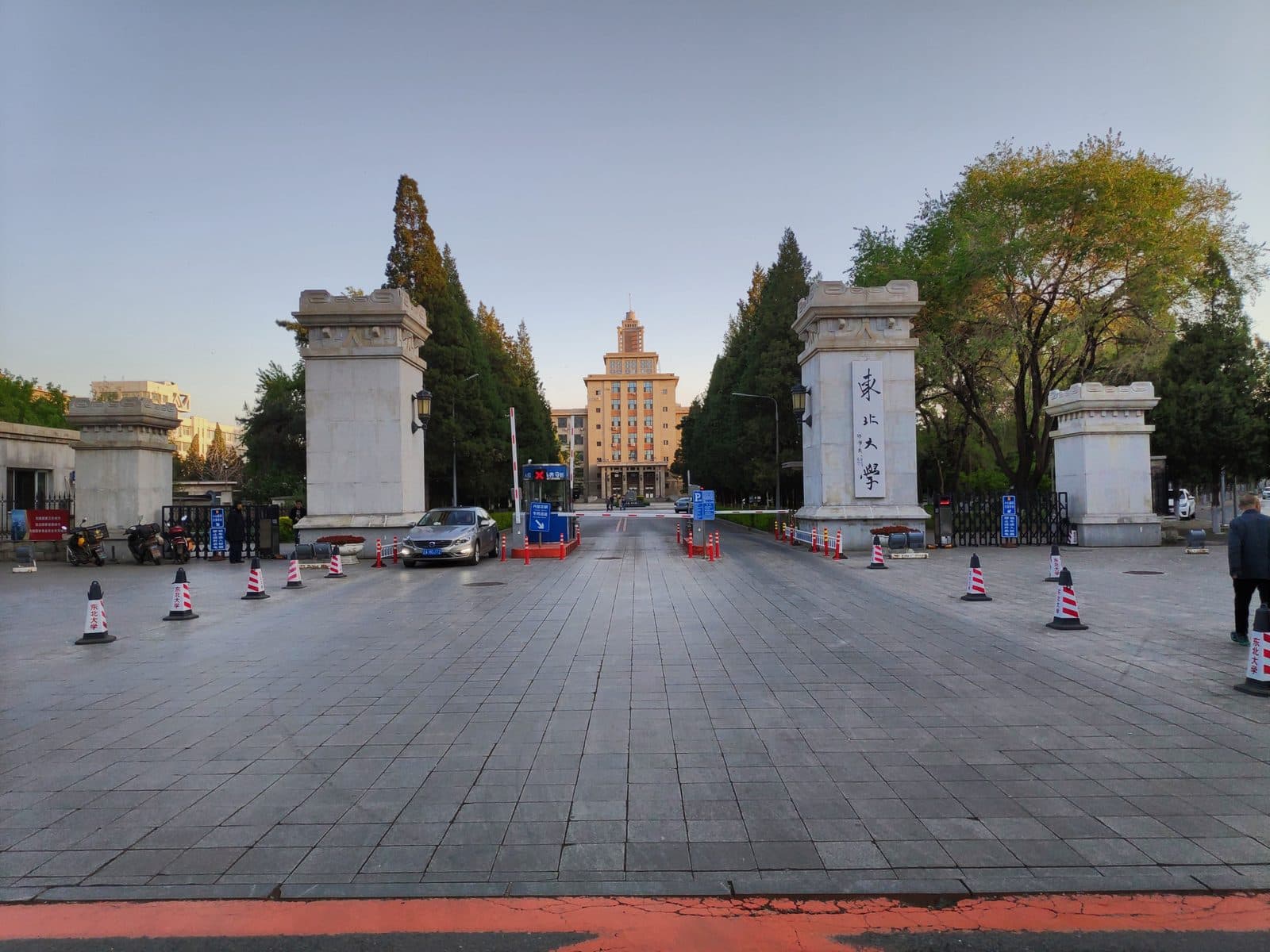
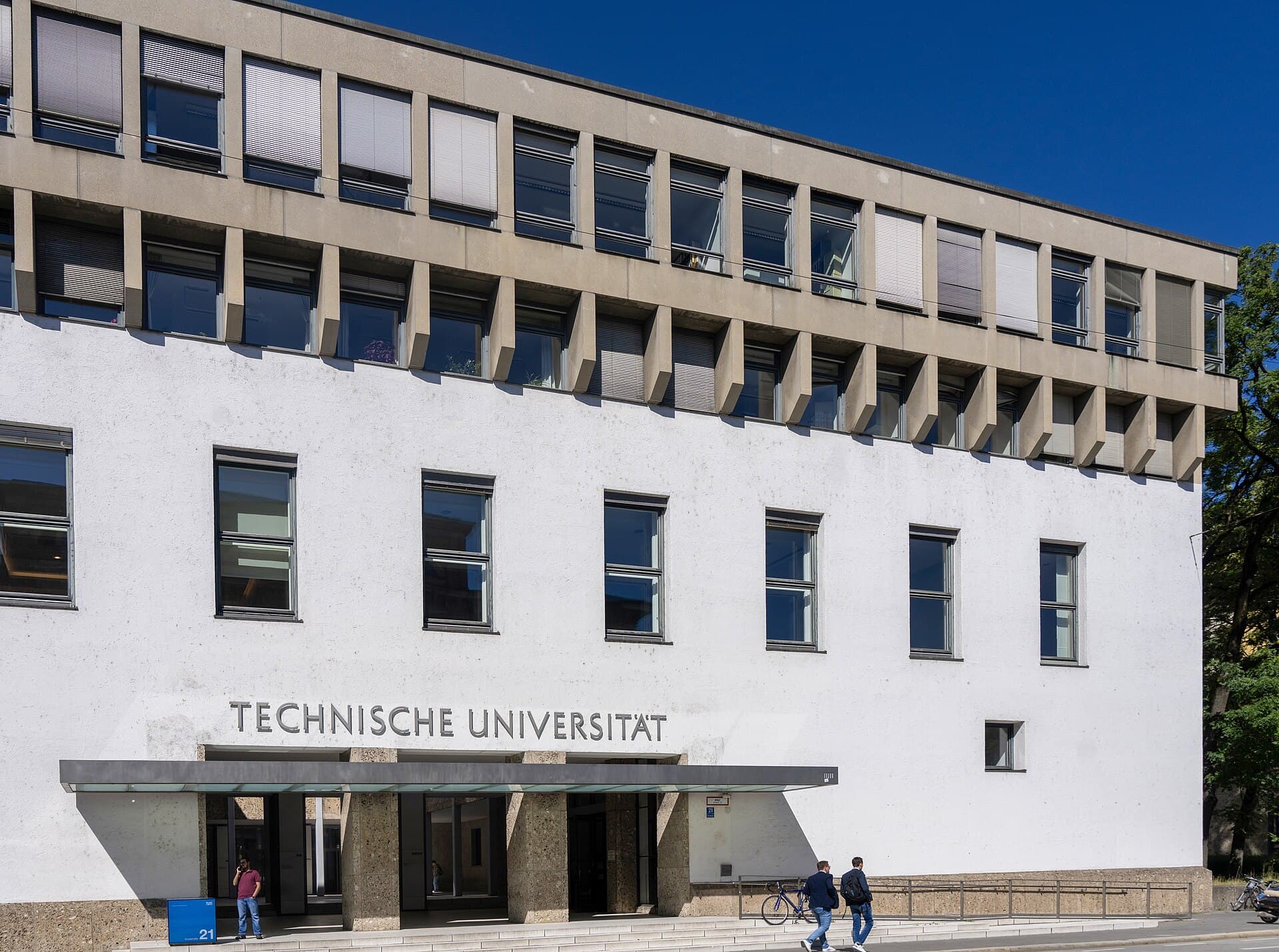
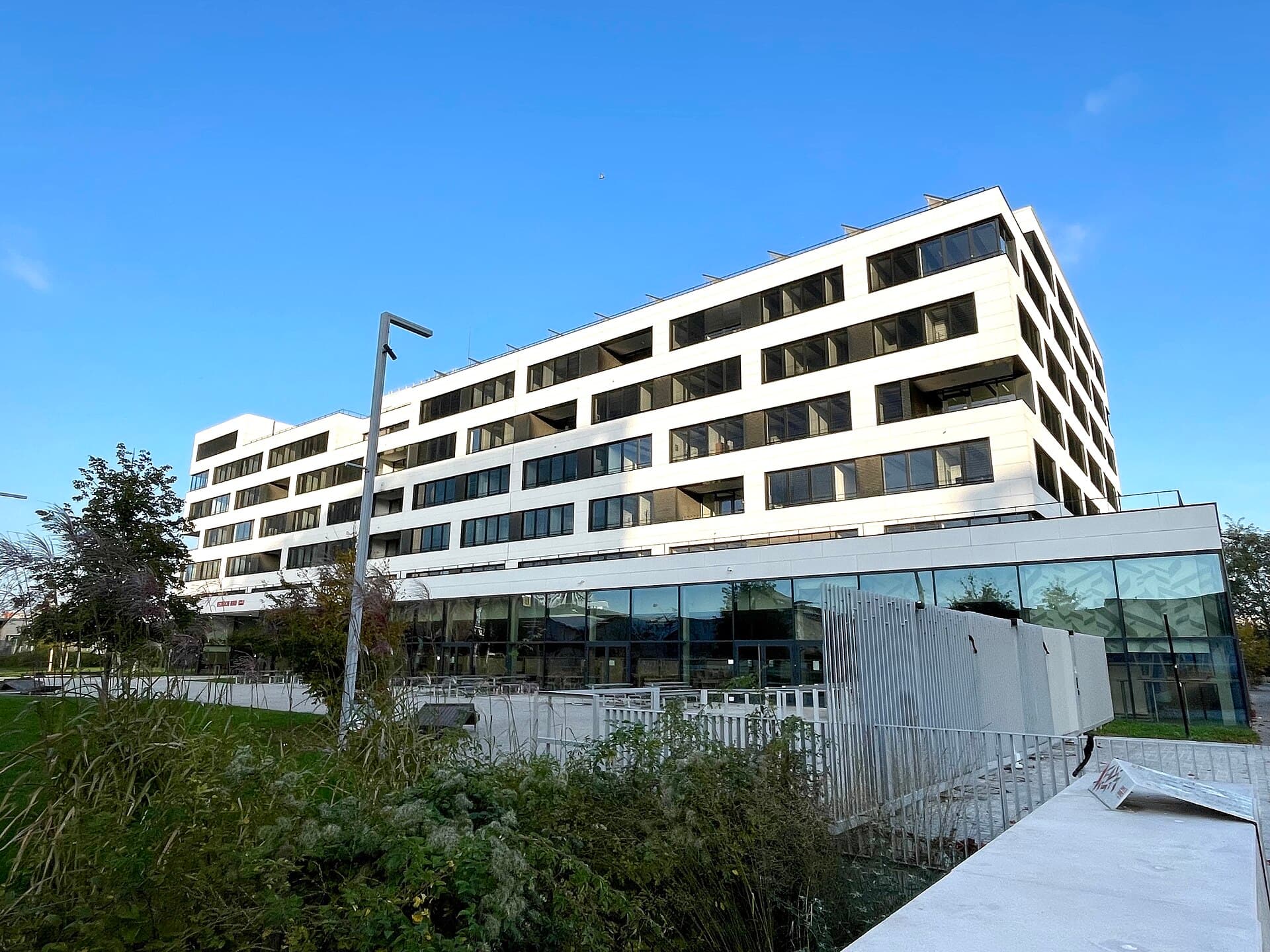
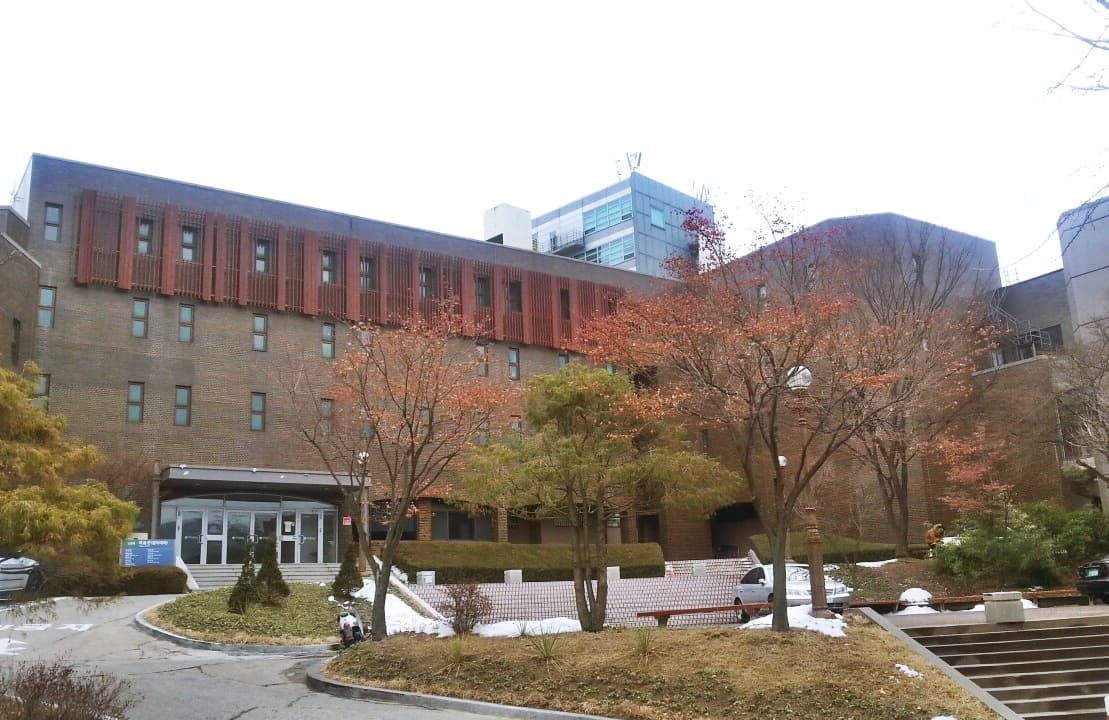
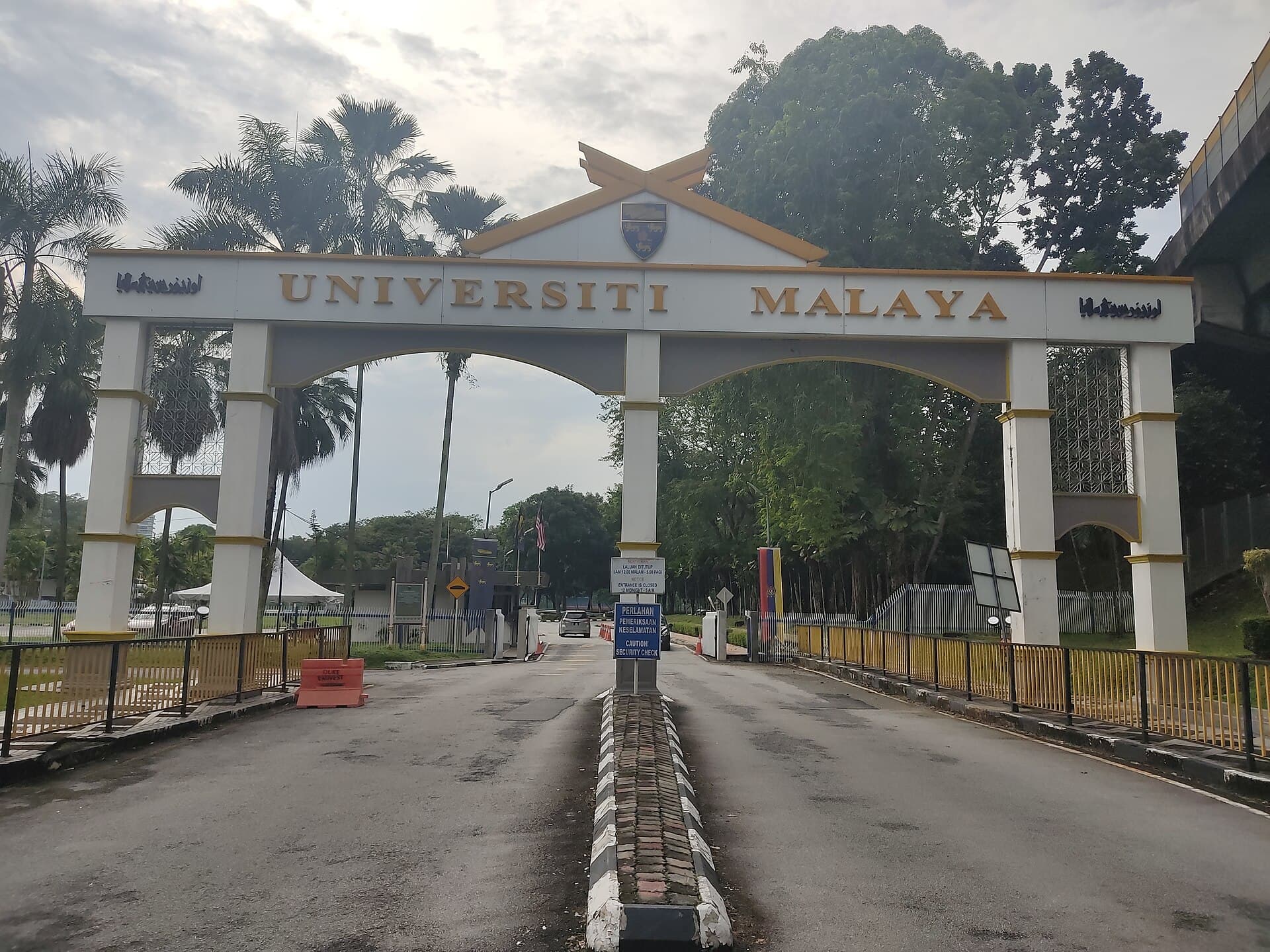
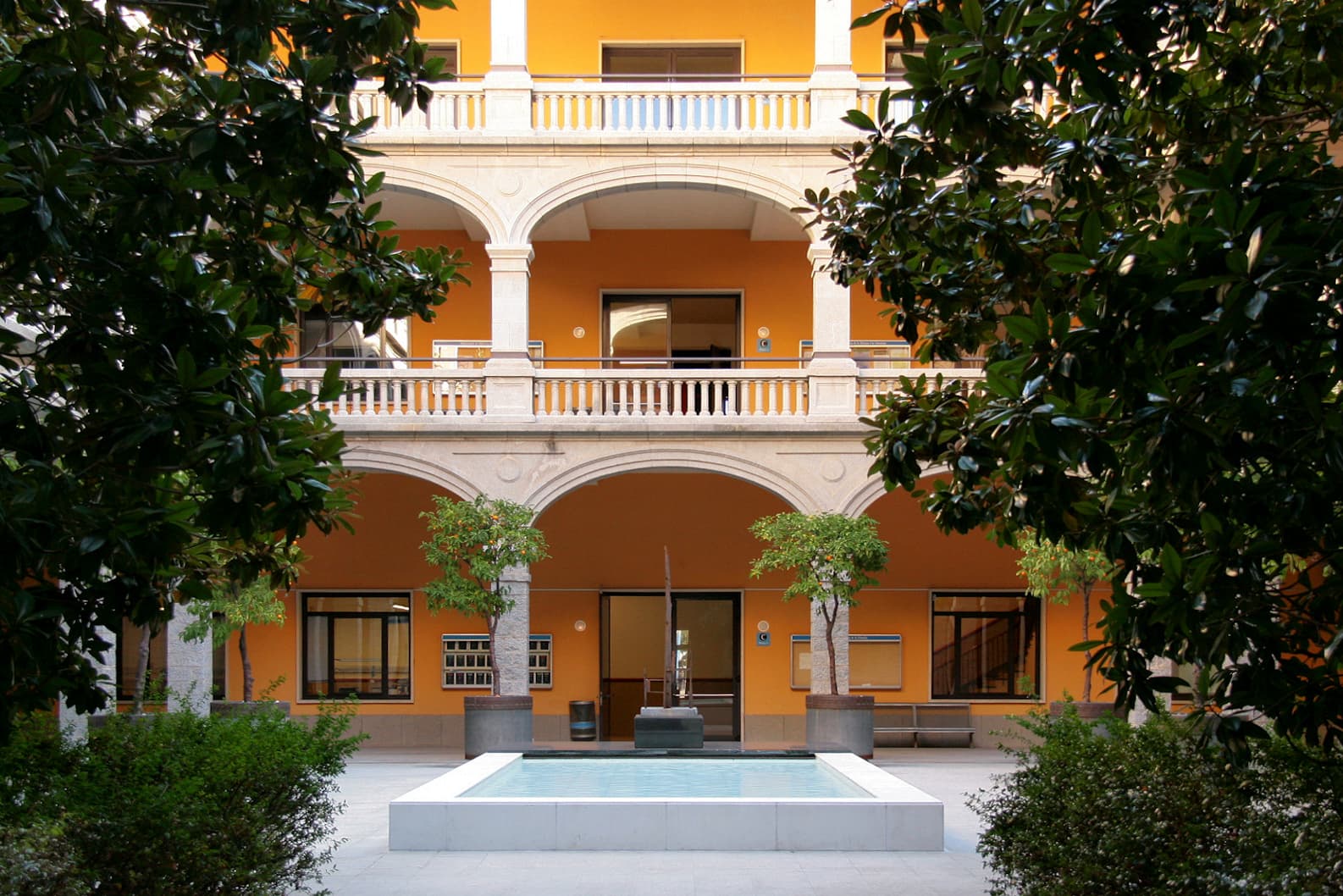
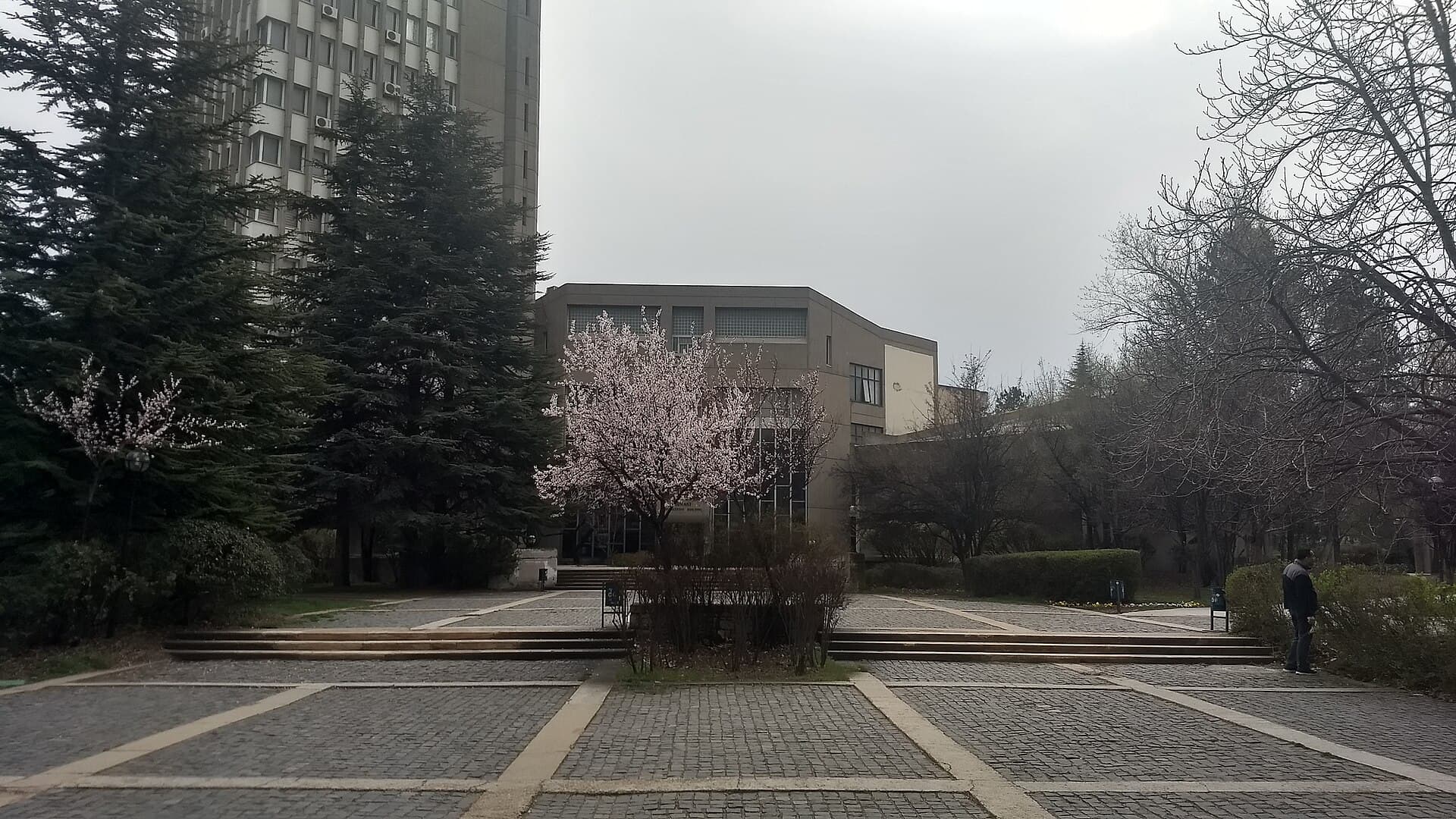
One for each of 13 countries: the highest world ranking among those our catalogue carries. The catalogue holds 806 universities in all — from China's C9 League to Europe and the Middle East.





Frequently asked questions
Do I need to already know Chinese to join the language year?
No — that's the whole point of the program. Most students start from zero. The university places you into a group based on a placement test, so you're grouped with students at your own level.
What happens after the language year ends?
Based on the university's internal exam, you either move onto the main program (bachelor's or master's) or, if needed, extend language preparation for another semester.
How long does the language year last?
Typically two semesters — fall and spring — totaling 9–11 months depending on the university and intake calendar.
What visa do I need for the language year?
Programs longer than 180 days generally require an X1 student visa, shorter ones an X2. The exact type and required documents depend on the university and program length, so we walk you through the current requirements during preparation.
Can I work while on the language year?
A Chinese student visa does not grant the right to paid employment by default. Any internship-type arrangement is only possible with the university's separate approval.
Can I skip the language year and go straight to a bachelor's program?
Yes, if you already have a sufficient HSK level (usually HSK4–5, depending on the university and program) or you're applying to an English-taught program.
Get in touch to get started
Tell us about yourself and what you're specifically interested in — our specialists will help you find the right format.