
Italy
Admission · Italy

University admission in Italy with people who studied there

Italy is potentially one of the most affordable routes to a European degree: fees at public universities are calculated on income and can fall to zero at low income levels. But this only works if the documentation is done properly.

Catalogue
64 universities profiled
Language of instruction
Italian or English
Visa
National type D visa

Our mentors for this country come from its leading universities, including Politecnico di Milano

Work through admission to Italy
Or message us directly

Tell us about yourself and we'll answer for this country: requirements, timing and where to start.

See universities and open rounds

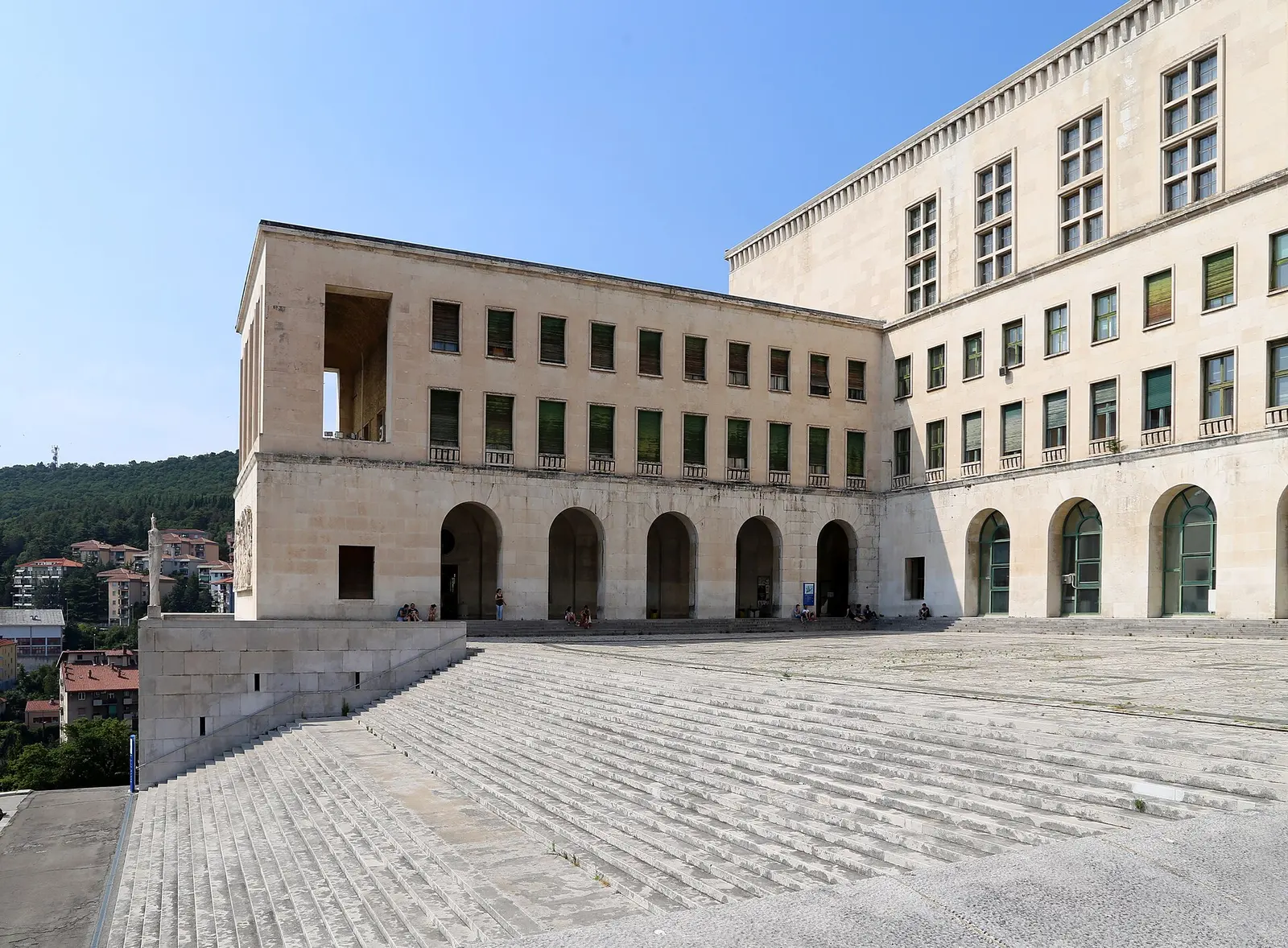
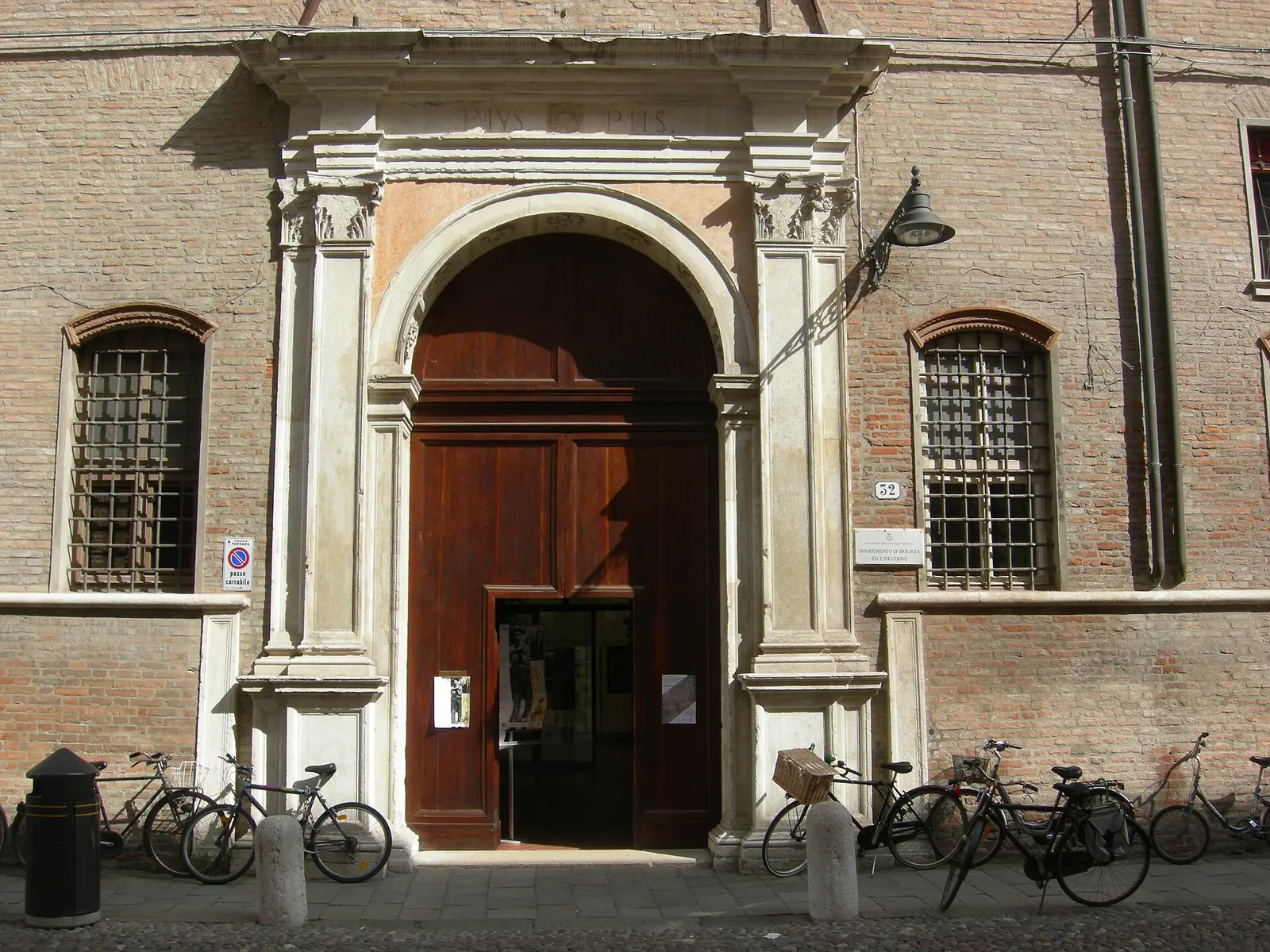
Photo: Benoit Soubeyran · CC BY-SA 4.0 · Wikimedia Commons

Italy in a minute

What gets checked first. Many people find out about it too late.

Good to know in advance

Without a correctly filed ISEE you land in the top fee bracket automatically

We tell you this before you pay, so you don't waste a year and your money.

Language of instruction
Italian or English
Visa
National type D visa
Cost
Income-based (ISEE)

In-depth guide: university admission in Italy

01

"Free tuition in Italy" is a half-truth

Italian public universities genuinely charge on a progressive scale tied to family income. Ministry of Universities and Research Decree no. 1014 of 03/08/2021 established the "no tax area" — full exemption below an ISEE of €22,000 — and many universities extend partial relief up to €30,000.

That is also where the trap sits. To obtain relief, an international student must correctly file an ISEE parificato — an Italian income assessment built from foreign documents, legalised and submitted by hard deadlines. If no ISEE is filed, the university automatically places the student in the top fee bracket.

Rules also differ by university: Politecnico di Milano states plainly that the ISEEU parificato sets your fee bracket but is not valid for applying for full or partial exemption, while Sapienza permits an ISEE declaration only for students with Italian income. This must be checked per university, not from general articles.
02

Scholarships: two layers

At national level, MAECI scholarships from the Ministry of Foreign Affairs are worth €10,800, paid in three instalments, and applied for exclusively through the studyinitaly.esteri.it portal. An important caveat: we could not confirm whether Russia and CIS states appear on the eligible-country list for the current call — this must be checked against the official announcement.

At regional level, DSU (the right to study) is in practice the larger opportunity. Run by regional agencies, it includes a cash grant, student canteen access, subsidised accommodation and fee exemption, and international students are eligible. There is no single national deadline — each region sets its own, and missing it forfeits the largest part of the support.

03

Language, visa and timing

The English-taught offer is large and growing, especially at master's level: the University of Bologna, for instance, lists 115 international programmes for AY2025/26, of which 92 are entirely in English. Italian-taught programmes require certified Italian.

The visa is a national long-stay type D for study. A mandatory step before the consular application is pre-enrolment on the Universitaly portal. Within 8 working days of arrival you must apply for the residence permit (permesso di soggiorno per studio).

Separately: Italy is in the Schengen area, and the visa process for Russian citizens has become stricter and slower since the suspension of the visa facilitation agreement. Study visas are still issued, but the current procedure should be confirmed directly with the consulate.

04

UNIPROFI in Italy

In Italy our core value is especially clear: almost all of the financial upside in Italy depends on income documentation being prepared correctly and on time, rather than on admission itself.

Write to us if you are considering Italy — we will tell you where this direction stands and how we can help today.

How we take you through admission in Italy

01

The language of the programme decides everything after it

Italian or English: it determines the certificate, the entrance exam and the deadlines. English-taught degrees usually ask for B2 on IELTS or TOEFL; Italian-taught ones for B2 CILS or CELI. Choosing the language after choosing the university means starting over.

02

Pre-enrolment on Universitaly

For non-EU applicants, pre-enrolment is done only through the state Universitaly portal. Without it the consulate will not accept a visa application — this is the entrance to the procedure, not a formality. The deadline is set each academic year and falls earlier than people expect.

03

Recognition of the diploma: CIMEA or Declaration of Value

The university itself states whether it requires a Declaration of Value — issued by the Italian consulate where the qualification was obtained — or whether a CIMEA statement of comparability will do. We establish this with the university in writing, because the answer changes the whole order of the paperwork.

04

The entrance examination

Medicine in English means IMAT, the national test sat on a single day across the country. Many bachelor's degrees use the TOLC run by the CISIA consortium. Private universities such as Bocconi select on their own terms. We register you, build the preparation plan and order your university preferences against the official cut-offs of previous years.

05

ISEE parificato — what the degree will actually cost you

Fees at a state university are calculated from family income. If the ISEE parificato is not filed, the university places the student in the highest band automatically — the single most expensive mistake in the Italian procedure. We assemble the income documents, have them legalised and file them on time.

06

DSU — the regional scholarship

The largest part of the support is regional rather than national: a cash grant, the student canteen, subsidised housing and a fee waiver. Italy has no single deadline — each region sets its own, and missing it means losing precisely this, the main part.

07

The type D visa and preparing to move

A national type D "studio" visa. We assemble the file to the requirements of your particular consulate, with proof of accommodation, insurance and financial guarantees. This is also where the budget is worked out for the city you are actually going to.

08

Permesso di soggiorno and the first weeks

Within eight working days of arrival the residence permit application must be submitted to the local police headquarters — through the post office or the support desk at the institution itself. Then the codice fiscale, enrolment and health insurance. We stay reachable through this stage.

Frequently asked questions about studying in Italy

What language are degrees taught in in Italy?

Italian or English. Which exam you will be asked for and how we prepare you is covered under Language and exams.

What visa do I need to study in Italy?

National type D visa. The documents and timing depend on the university and programme — we check them against your case.

How much does it cost to study in Italy?

Income-based (ISEE). We work out the exact amount for a specific university, programme and intake year.

What scholarships are there in Italy?

The main programme is MAECI and regional DSU. What you can apply for with your profile is covered under Grants and scholarships.

What should I know in advance about applying in Italy?

Without a correctly filed ISEE you land in the top fee bracket automatically

How many universities in Italy are in your catalogue?

64 with full profiles: status, rankings, city and requirements. We also help with universities that aren't in the catalogue yet.

How does UNIPROFI help with admission in Italy?

We shortlist universities and programmes for your profile, prepare your documents and motivation letter, submit the applications and help with the visa and the move. If anything could stand in the way, we tell you before you pay and suggest another option.

Write to us

Tell us where you'd like to study and what you're interested in. We'll suggest where to start and how we can work together.