
Studying in Italy: the price depends on your family's income, not on a price list
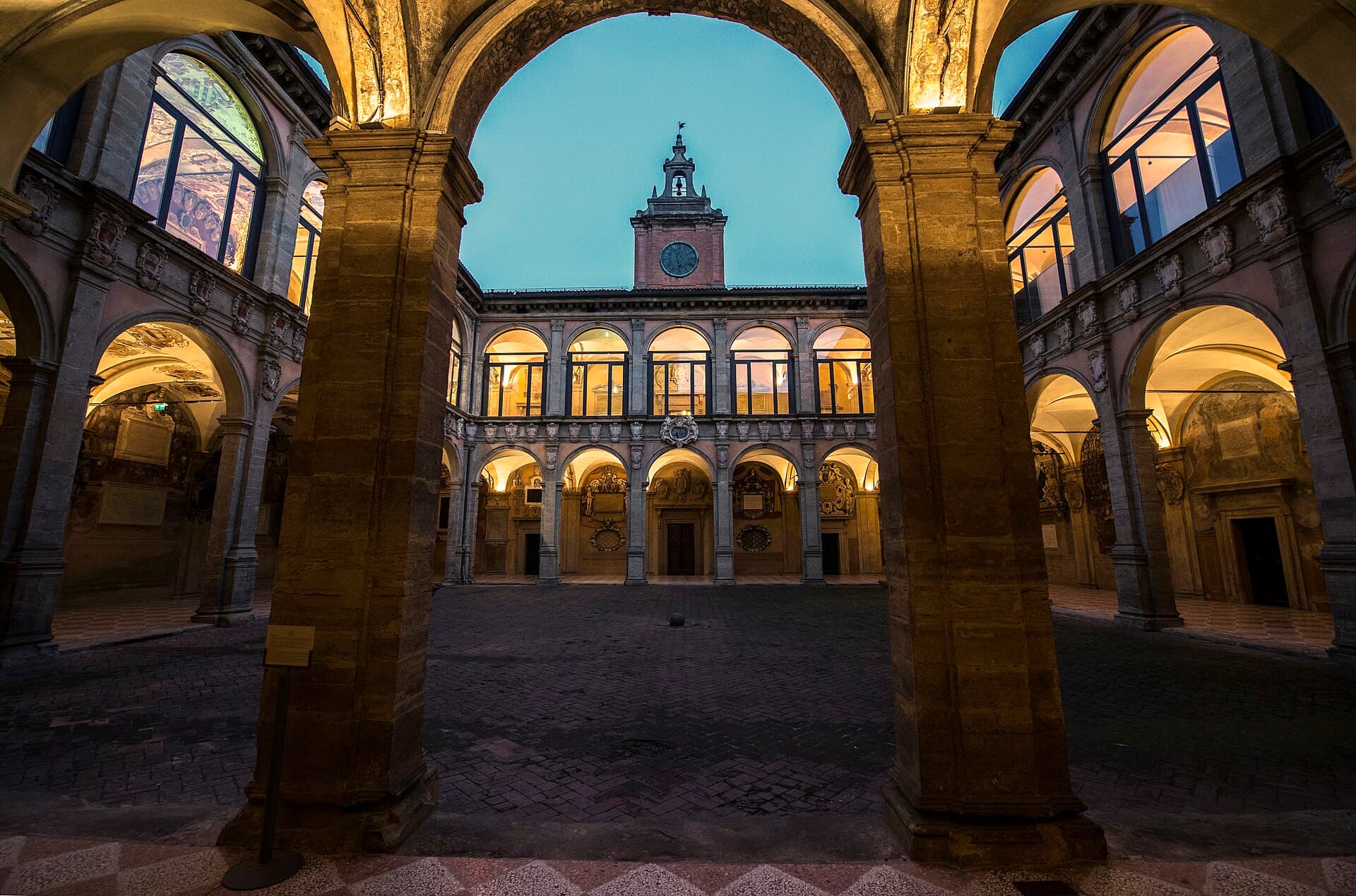
Photo: Wwikiwalter · CC BY-SA 4.0 · Wikimedia Commons
Italy has no "tuition fee" — it has yours
Look up the cost of studying in Germany or the Czech Republic and you get a number. In that sense Italy has none: a public university works the fee out individually, from your family's income and assets.
So "how much does studying in Italy cost" has no general answer. For one family it is a few hundred euros a year, for another a few thousand — on the same programme.
How it is calculated: the ISEE
The figure the calculation runs on is called the ISEE, which condenses a family's income and assets into a single number. The university reads that number and decides which band you fall into.
For a foreign family whose income arises outside Italy there is a separate version, the ISEE parificato. It is issued in Italy, through an accredited tax assistance centre (CAF), on the basis of income and asset certificates from your own country.
That is where the work is: assembling the documents, translating them, and filing by the deadline each university sets for itself.
We'll work out what Italy costs you
We'll establish which band your family falls into at your chosen universities, assemble the documents for the ISEE parificato and file them on time.
What it can mean in money
Each university sets its own thresholds, so they have to be read at the one you choose. For a sense of scale, the published rules of the University of Modena and Reggio Emilia (UNIMORE): with an ISEE up to €27,000 a student is exempt from tuition and pays only the fixed charges — €159.67.
Above that the relief tapers: between €27,000 and €45,000 the fee is reduced, and over €45,000 there is no reduction.
Other universities set the threshold lower or higher, so the same family lands in different bands at different institutions. The principle, though, is the same everywhere.
The catch: filing an ISEE is voluntary
Nobody obliges you to file an ISEE. Which is precisely why money is lost on it.
The university simply considers two cases: income documents filed, and the fee calculated from them; or not filed, and the full rate applied. Sapienza University of Rome lays its page out exactly that way — split between "if you do declare" and "if you do not declare".
So no one refuses your admission or sends a warning. You simply receive a bill in the top band, on an income that entitled you to pay almost nothing.
What follows from this
Italy is usually cheaper than the published figures suggest — but only for those who go through the procedure. ISEE deadlines are tied to enrolment and are easily missed in the first year, when attention is taken up by the visa and by housing.
So a budget for an Italian university is worth building from your actual situation rather than from a fees page — and it is worth finding out early which certificates your family will need, and by what date.
The countries in this piece
 Italy
Italy

Get in touch to get started
Tell us about yourself and what you're specifically interested in — our specialists will help you find the right format.