
Poland
The best value in the EU — with a genuinely free route for Karta Polaka holders
Tell us about your profile — we will answer for this country: requirements, timing and where to start.
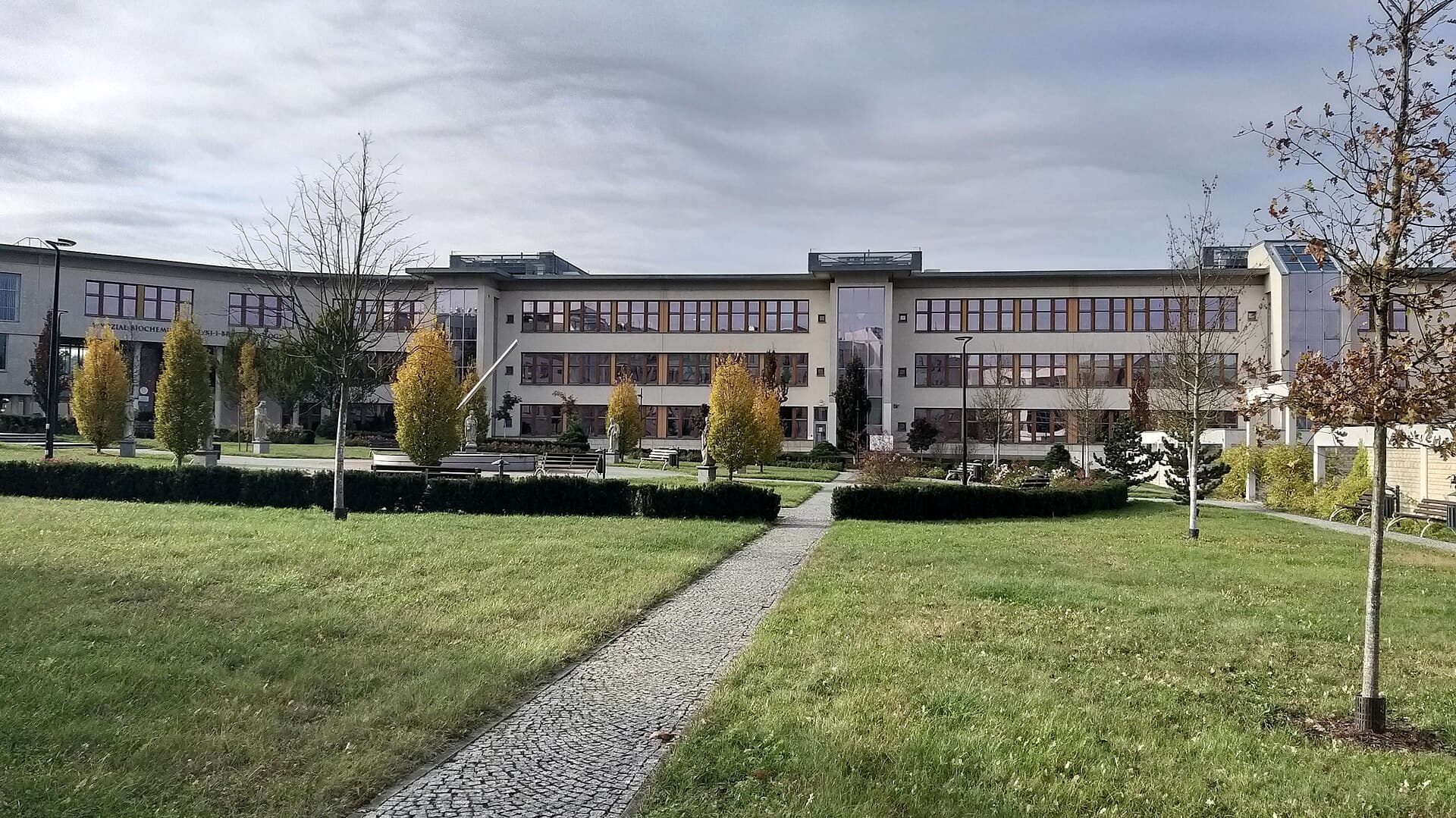
Photo: Slawojar2 · CC BY-SA 4.0 · Wikimedia Commons
Everything about admission to Poland
The four parts admission is made of. Start with whichever matters most right now.
For every country we name the catch before you pay anything. If it makes your plan unrealistic we will say so plainly and point you to something that actually works. A lost deal costs us less than money taken for an unreachable goal.
Cost: who actually studies free
According to the government portal study.gov.pl, free full-time study on Polish-taught programmes at public institutions is available to Polish citizens, EU/EEA citizens, and holders of the Karta Polaka (Polish Charter). Everyone else pays — which matters, because the familiar "education in Europe is free" line does not apply to Poland for most people.
Official reference figures from the portal: around EUR 2,000 per year for bachelor's, master's and long-cycle programmes, and around EUR 3,000 per year for postgraduate programmes; preparatory Polish courses run at about EUR 2,000 per year. The stated national range is EUR 2,000–6,000.
Doctoral study deserves separate mention: full-time doctoral programmes are tuition-free, and all full-time doctoral candidates receive a scholarship. For anyone aiming at a research career, this is one of the strongest offers in the European Union.
The Karta Polaka is a real free route
If you have Polish ancestry and hold the Karta Polaka, you study Polish-taught programmes on the same terms as Polish citizens — that is, without tuition. For applicants from CIS countries with Polish heritage this is the most underrated path into European education, and we think it deserves to be said plainly.
Visa and practical notes
You apply for a national type D visa, and for stays beyond it, a temporary residence permit (karta pobytu).
One practical point that matters: since 1 April 2026 Poland no longer recognises non-biometric Russian passports — only a passport with a biometric chip is valid for entry and stay. Unlike some other EU states, students are among the categories Polish consulates do accept applications from.
The national scholarship agency is NAWA (National Agency for Academic Exchange), whose flagship inbound programme is named after Stefan Banach. No currently open application window was published when this page was prepared, so we quote no dates — check the NAWA site directly.
UNIPROFI and Poland
In Poland the most useful things we do are two: establish honestly whether you fall into a tuition-free category — Karta Polaka above all — and match an English-taught programme to your profile and budget.
Write to us and we will tell you where this direction stands and what can be done now.
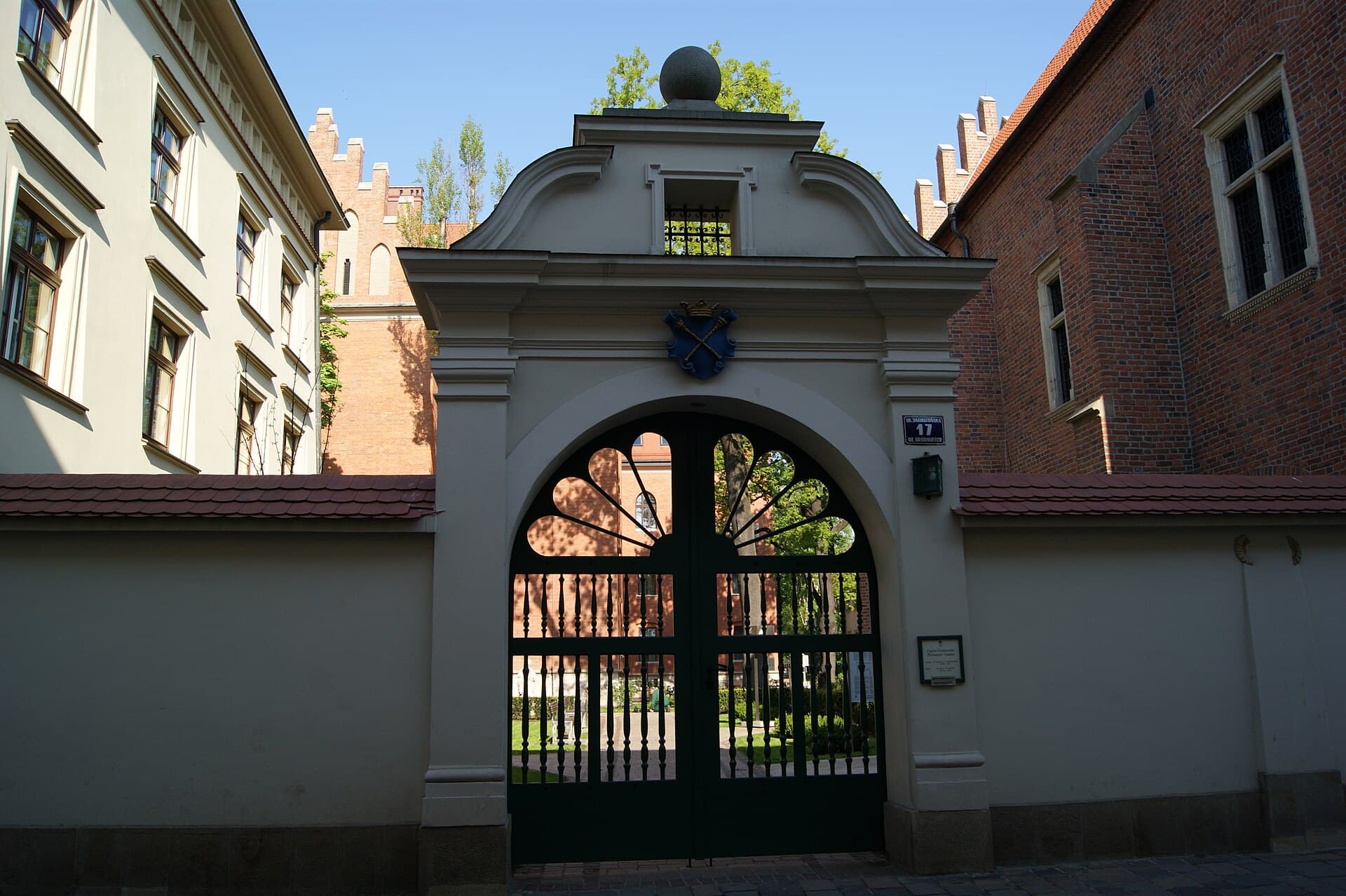
Universities in Poland
See all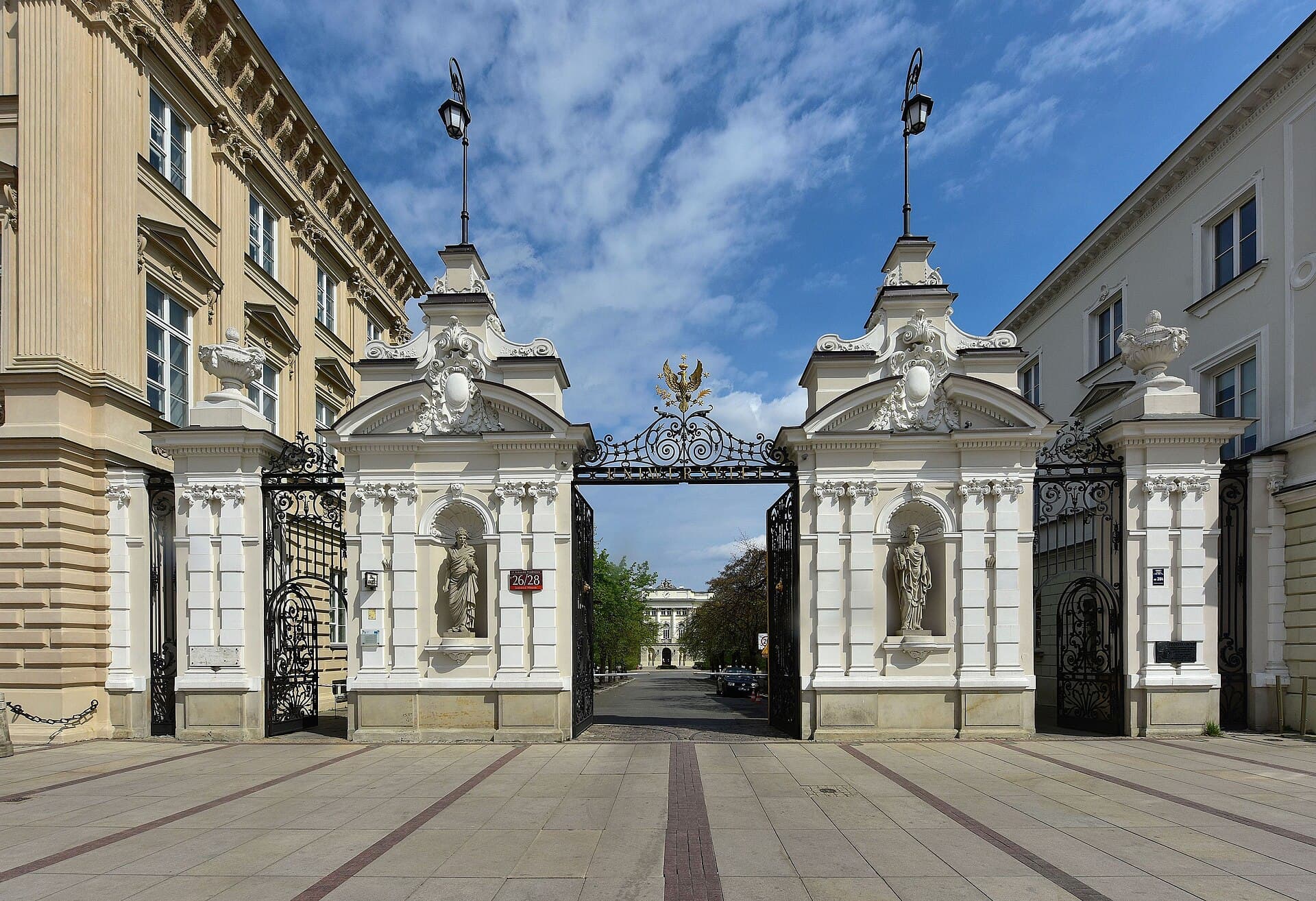
Get in touch to get started
Tell us about yourself and what you're specifically interested in — our specialists will help you find the right format.