







Spain
Admission · Spain

University admission in Spain with people who studied there

Spain draws students with its scale, its language and its quality of life. Tuition, though, is set neither by universities nor nationally but by the autonomous communities — and for non-EU students the difference can be several-fold.

Catalogue
57 universities profiled
Language of instruction
Spanish, English less often
Visa
Estancia por estudios

Our mentors for this country come from its leading universities, including University of Barcelona

Work through admission to Spain
Or message us directly

Tell us about yourself and we'll answer for this country: requirements, timing and where to start.

See universities and open rounds

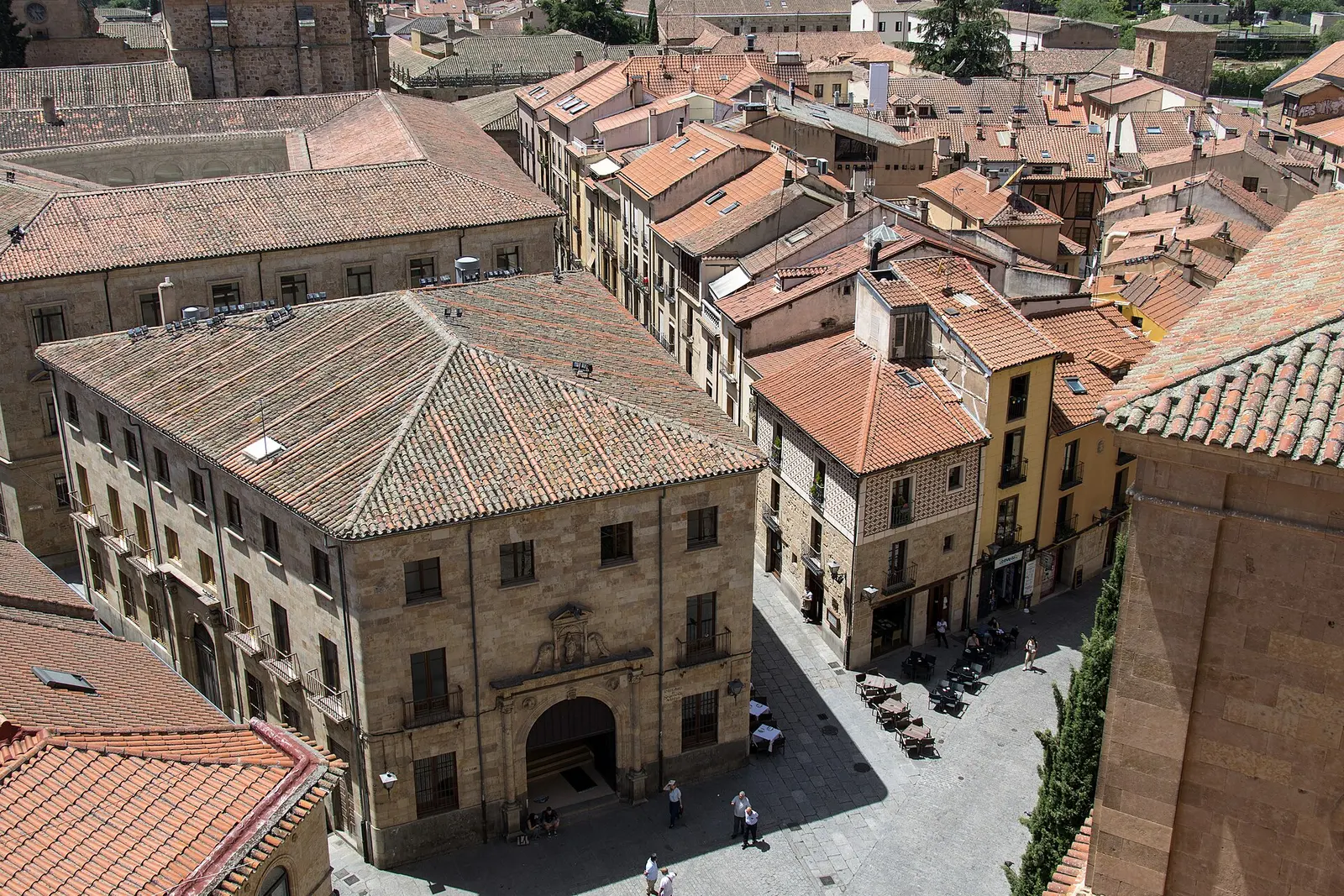
Photo: Malopez 21 · CC BY-SA 4.0 · Wikimedia Commons

Spain in a minute

What gets checked first. Many people find out about it too late.

Good to know in advance

A study visa is not resident status and does not lower your fee band

We tell you this before you pay, so you don't waste a year and your money.

Language of instruction
Spanish, English less often
Visa
Estancia por estudios
Cost
Depends on the region

In-depth guide: university admission in Spain

01

The big misconception: "studying in Spain is cheap"

Fees at Spanish public universities ("precios públicos") are set by the autonomous community, not by the university and not nationally. The same degree can therefore cost differently in Madrid than elsewhere, and there is simply no universal answer to "what does studying in Spain cost".

For non-EU students the gap is especially visible. In Madrid, under Decree 43/2022, non-resident non-EU students over 18 are charged at the fourth-enrolment price band — that is, the highest rate.

One verified example: Universidad Carlos III de Madrid sets non-EU undergraduate fees for 2025/26 at EUR 113.71 to 136.44 per credit depending on degree type. At a standard 60 credits a year that is roughly EUR 6,823–8,186, plus an administrative fee and insurance. That is one specific university's rate, not a national average.


02

The critical detail: a study visa does not make you a resident

This is where the most common and most expensive mistake sits. A stay authorisation for the purpose of study under Royal Decree 557/2011 does not equate to resident status. Obtaining a student visa does not move you into the "resident" price band or reduce your tuition.

That is exactly what disappoints many applicants, who assume that once they have moved they will pay local rates. Budget on the non-resident, non-EU rate.

03

Scholarships, language and visa

The national scholarship line is MAEC-AECID, administered by the Spanish Agency for International Development Cooperation under the Ministry of Foreign Affairs. It is an umbrella of programmes for students from partner countries, largely taught in Spanish. We have no confirmed current deadline, so we publish none — check the official site.

Spanish remains the main language of instruction; English-taught programmes exist but are noticeably fewer than in, say, Poland or the Netherlands. For stays over 90 days you apply for a student visa (estancia por estudios).

04

UNIPROFI and Spain

In Spain the most useful work is honest budgeting: which region to study in, which price band you actually fall into, and what it will really cost — rather than averaged figures from the internet.

Write to us if you are considering Spain and we will work through your case for a specific region and university.

How we take you through admission in Spain

01

Getting to know you

You message us or take the quiz on the site. We ask about your goal, budget, language and timing.

02

Plan

We suggest countries, universities and programmes that suit you. If we see anything that could get in the way, we tell you straight away.

03

Documents and applications

We help with your documents and motivation letter, submit the applications and deal with the admissions office.

04

Admission and the move

You get your offer letter, and we help with the visa, insurance and housing. We stay in touch for your first weeks there.

Frequently asked questions about studying in Spain

What language are degrees taught in in Spain?

Spanish, English less often. Which exam you will be asked for and how we prepare you is covered under Language and exams.

What visa do I need to study in Spain?

Estancia por estudios. The documents and timing depend on the university and programme — we check them against your case.

How much does it cost to study in Spain?

Depends on the region. We work out the exact amount for a specific university, programme and intake year.

What scholarships are there in Spain?

The main programme is MAEC-AECID. What you can apply for with your profile is covered under Grants and scholarships.

What should I know in advance about applying in Spain?

A study visa is not resident status and does not lower your fee band

How many universities in Spain are in your catalogue?

57 with full profiles: status, rankings, city and requirements. We also help with universities that aren't in the catalogue yet.

How does UNIPROFI help with admission in Spain?

We shortlist universities and programmes for your profile, prepare your documents and motivation letter, submit the applications and help with the visa and the move. If anything could stand in the way, we tell you before you pay and suggest another option.

Write to us

Tell us where you'd like to study and what you're interested in. We'll suggest where to start and how we can work together.