
Applying to Spain: two documents, two authorities, and an order you cannot change
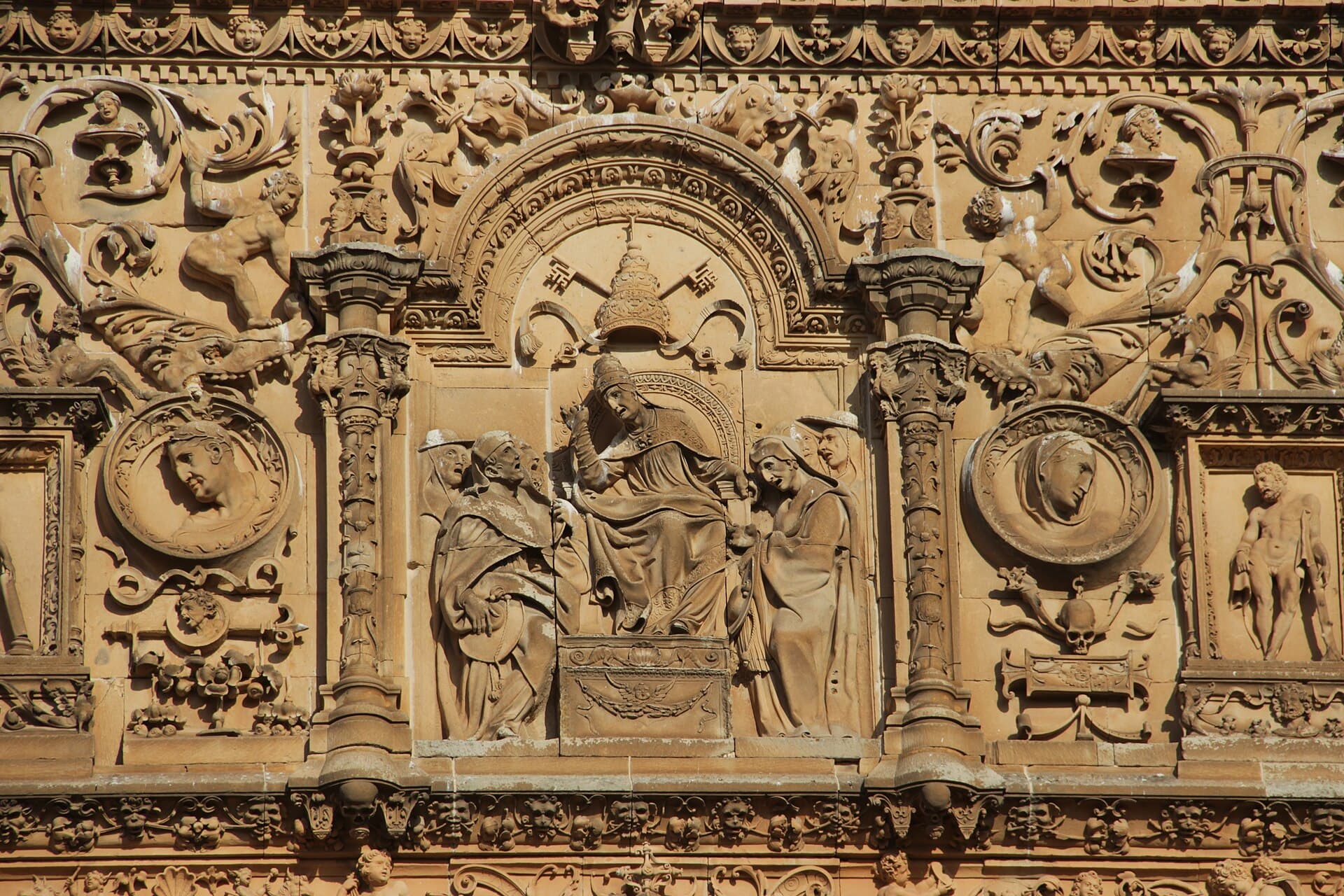
Photo: Björn S. · CC BY-SA 3.0 · Wikimedia Commons
Two documents routinely taken for one
An international applicant to Spain needs two different documents, and they are constantly confused because both are "about recognising the certificate".
Homologación equates your education to the Spanish Bachillerato. The Ministry of Education issues it — and as UNED itself notes, this is the exclusive competence of the ministry and of some autonomous communities.
UNEDasiss accreditation is the document that opens access to study at Spanish universities. UNED puts it plainly: it is not a homologación, and UNEDasiss neither homologates nor validates qualifications.
An order that cannot be reversed
The crucial part is one sentence from their FAQ: if your education comes from outside the European Union or outside a country with an agreement, you must request homologación of the school certificate as an indispensable step in order to obtain the UNEDasiss accreditation.
So these are not two parallel errands but a sequence: the ministry first, UNED second. For an applicant from Russia, Kazakhstan or another non-EU country, that makes starting the homologación the first step rather than one of them.
The mistake is expensive in time: discover the order mid-cycle and the application deadlines are already out of reach.
We'll sequence your Spanish application
We'll start the homologación, obtain the UNEDasiss accreditation, measure your mark against the cut-offs, and choose PCE subjects where they are needed.
The admission mark, and why it is often not enough
UNEDasiss converts your grades to the Spanish scale. The mark UNED issues runs from 5 to 10 points at most, calculated differently according to where you come from.
The difficulty is that cut-off marks for sought-after degrees at Spanish universities can sit above ten. Hence a way of raising the mark exists: the PCE subject examinations (Pruebas de Competencias Específicas), sat through the same system.
The practical conclusion: look not at your own average but at the cut-off for the particular programme. If it is above 10, the question of whether to sit the PCE has been decided for you.
How this relates to legalisation
Homologación and UNEDasiss concern the level of your education. Separately from them runs proof that the papers themselves are genuine: an apostille or consular legalisation, plus a sworn translation.
The difference between authenticity and recognition is set out separately in the apostille and recognition. In the Spanish case it matters doubly, because documents are submitted for homologación already legalised.
Where to start
For a non-EU certificate the order comes out as: legalisation and translation → homologación at the ministry → UNEDasiss accreditation → the PCE examinations where needed → applications to universities.
Each step depends on the one before, and none can be hurried after the fact. So start a year before applying, and begin by finding the cut-off marks of the programmes you want — whether you need the PCE, and how long preparing will take, both follow from those.
The countries in this piece
 Spain
SpainRead next



Get in touch to get started
Tell us about yourself and what you're specifically interested in — our specialists will help you find the right format.