
China university interviews: how to prepare
When universities require an interview
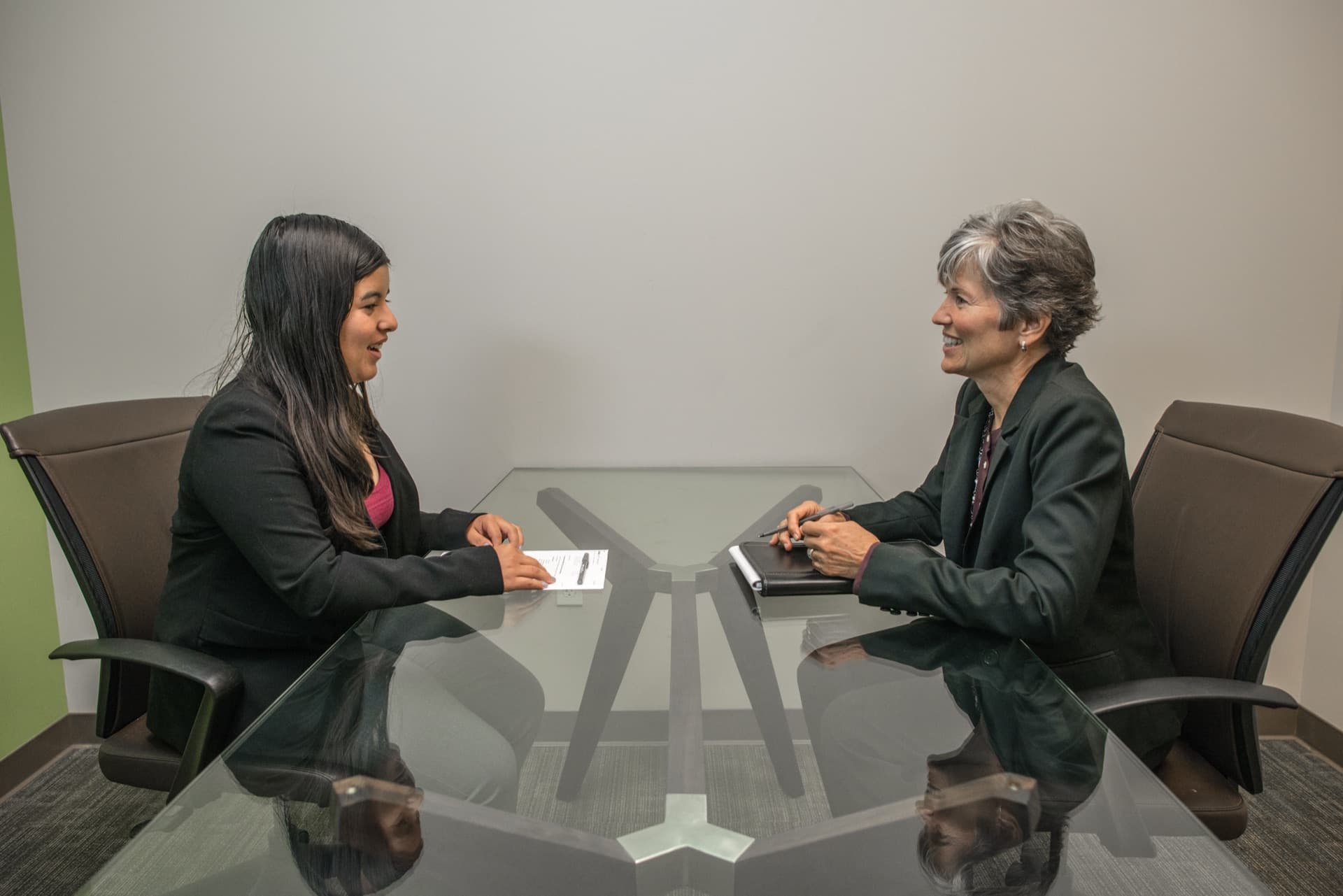
Not every program requires an interview, but it comes up more often than people expect: almost always for CSC scholarship applications, frequently for master's and PhD programs, and often for competitive bachelor's programs, especially creative and language-related ones. It's usually held remotely over video call (Zoom or Tencent Meeting), and the language depends on the program — sometimes Chinese, sometimes English, sometimes both in turn.
The questions you'll typically be asked
The set of questions overlaps heavily across universities, even if the exact wording differs.
- Why this specific university and program, and not other similar options
- Why China specifically, rather than another country, for this education
- Your plans after graduation and how the program fits them
- Questions that informally test your language level — through the flow of the conversation itself, not a separate test
- Questions about your home country and culture — the committee is gauging genuine interest and readiness to adapt, not testing knowledge
Common interview mistakes
Most points are lost not because of what's said, but because of how it sounds and whether it matches the rest of the application.
- Rehearsed answers that sound like a monologue rather than a real conversation — committees notice this easily
- Weak knowledge of the specific program and faculty — just generic phrases about it being "a good university"
- Technical hiccups — a bad connection, no test call beforehand, a broken camera
- A mismatch between what's written in the motivation letter and what's said in the interview
How to prepare for real
Reading lists of "typical questions" only helps so much — real interviews ask questions in an unpredictable order, with follow-ups and improvisation, and a memorized script sounds unnatural in that setting. Practicing in a format as close as possible to the real interview, with real feedback on both content and delivery, is what actually cuts nervousness and removes the mechanical sound of rehearsed answers.
Want real practice before your interview?
We run a mock interview as close as possible to the real thing, with honest feedback.
What to have ready for the interview
Beyond substantive prep, it's worth sorting out the technical side ahead of time: test your connection and lighting, keep a summary of the program on hand (as a reference, not something to read aloud), and mentally prepare for the fact that a pause before answering is completely normal, not a sign of weak preparation.


Get in touch to get started
Tell us about yourself and what you're specifically interested in — our specialists will help you find the right format.