
Working while studying: hours in one country, days in another, purpose of stay in a third

Photo: Shixart1985 · CC BY 2.0 · Wikimedia Commons
There is no single rule, and that is not a detail
"Can a student work?" sounds like the same question in every country, and the answers are built on different principles. Some count hours a week, some working days a year, some set no formal limit at all — but check why you are in the country.
Three countries, built three ways, show the principle.
Japan: hours a week, and a separate permission
A student in Japan may work up to 28 hours a week, and up to eight hours a day during the long holidays.
First, though, comes permission to engage in activity outside the status of residence. It is granted at a regional immigration services bureau, or, on first entry with a period of stay over three months, at the airport along with landing permission.
The conditions are strict: the work must not affect your studies, the income is meant for academic and necessary expenses, and adult entertainment work is barred. A breach brings not a fine but penalties up to deportation.
We'll build your budget honestly
We'll work through what can realistically be earned in your country, what has to be proven at the visa stage, and what reserve keeps a part-time job a part-time job.
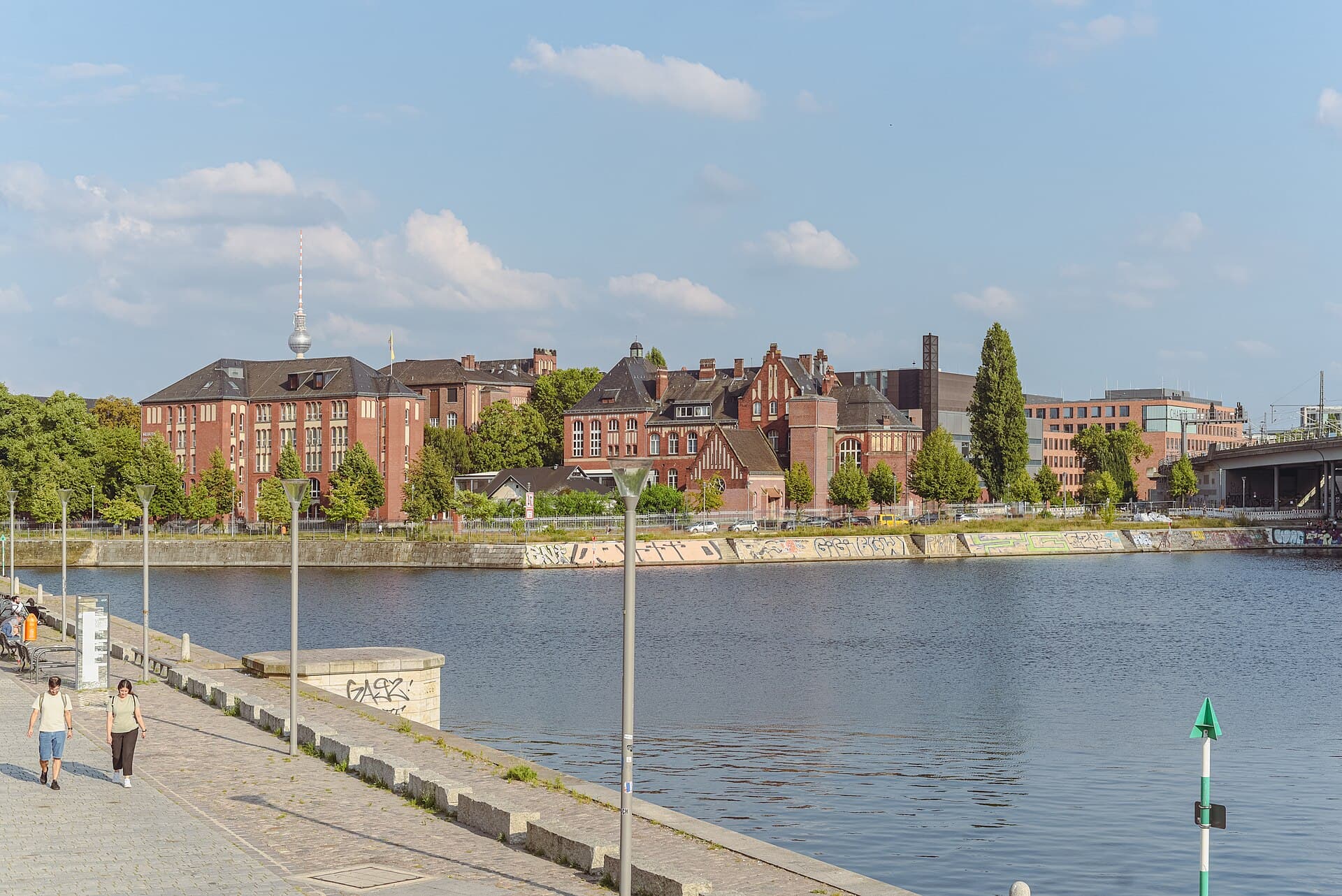
Germany: days a year
In Germany, students from outside the EU and EEA work 140 full days or 280 half days a year. A full day is one on which more than four hours are worked. The alternative is up to 20 hours a week.
Work as an academic assistant at the university is a case apart: it falls outside the limit, though the foreigners' office still has to be told.
Working more requires permission from the Federal Employment Agency and the foreigners' office, and it is given only in cases of special financial need. For students from the EU, Iceland, Liechtenstein, Norway and Switzerland there is no restriction.
Poland: no limit, but a purpose of stay
Poland is simpler: a full-time student with a study visa or residence permit works without a work permit. Nobody counts the hours.
And here sits the subtlest trap. When a residence permit application is considered, the main purpose of your stay is verified. If it emerges that you work full time and live on that income, the permit for the purpose of study can be refused.
So the absence of an hours limit is not freedom: the restriction has simply moved from the number of hours to the meaning of your presence in the country.
What they have in common
In all three the same rule is expressed by different means: you are in the country to study, and work is permitted exactly as far as that remains true.
Which makes the risk asymmetric. What you stand to lose is not the job but the basis of your stay — and with it the studies the whole thing was for.
The practical conclusion: a part-time job cannot be budgeted as the main source. It covers running costs; it does not replace the proof of funds you will be asked for at the visa stage.
What to check for your own country
Establish three things: whether a separate permission is needed before you start, what the limit is measured in, and what happens if you exceed it.
The third question matters most and is the one rarely asked. The difference between a fine and a cancelled status is enormous, and it is usually discovered after the fact.
 Poland
 Japan
Japan Germany
Get in touch to get started
Tell us about yourself and what you're specifically interested in — our specialists will help you find the right format.