
Germany or France in 2026/27: the first year of study, line by line
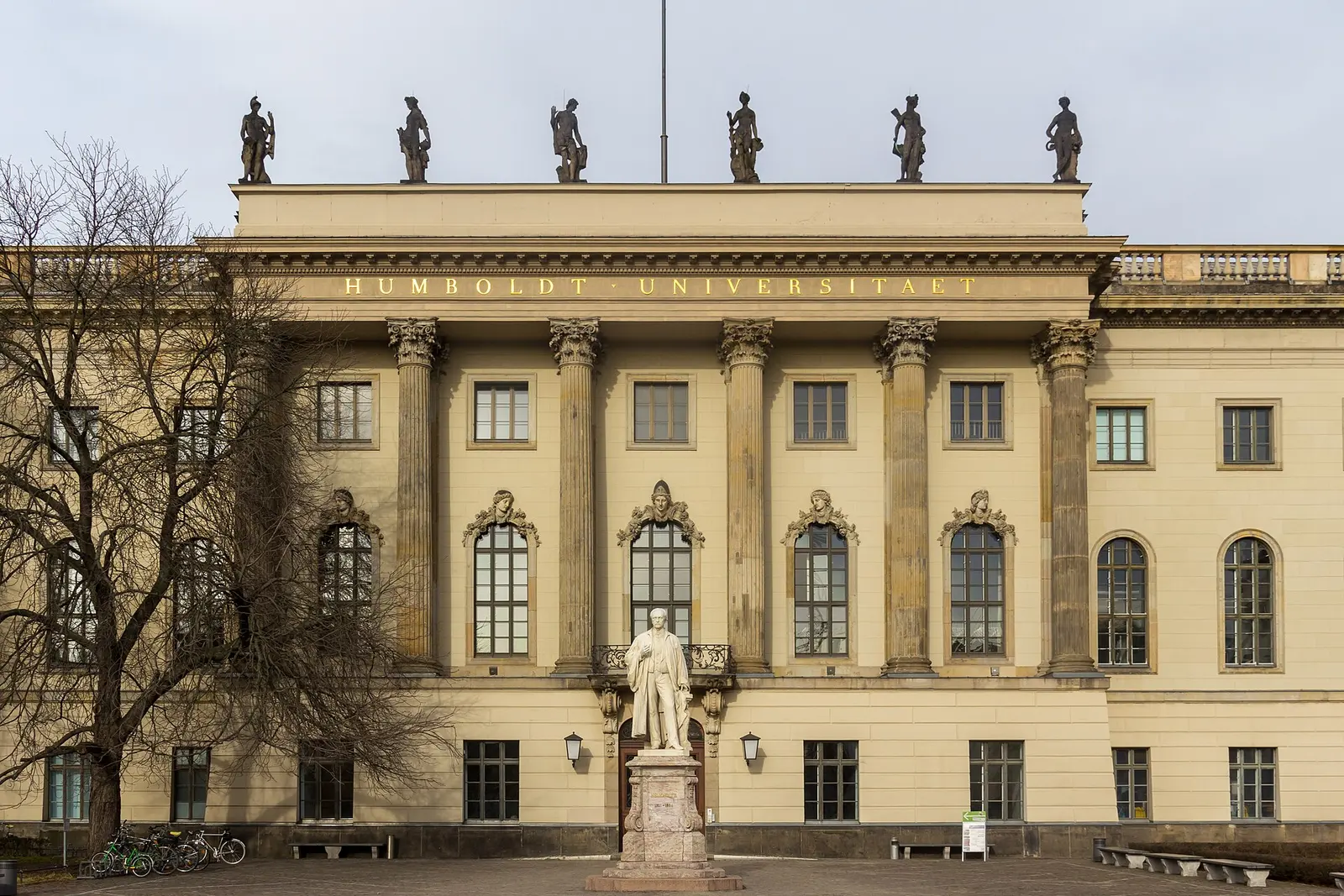
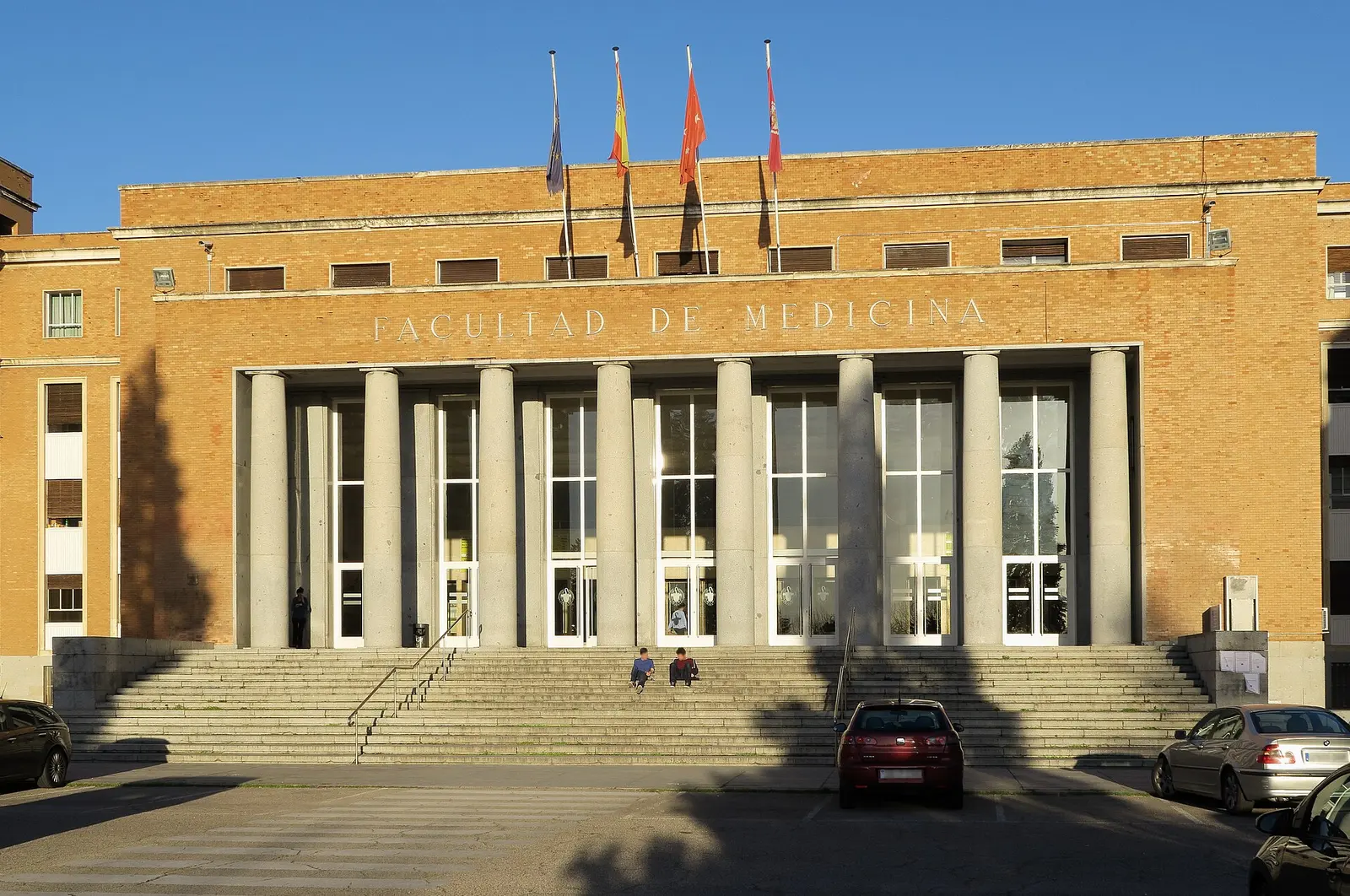
Photo: Photograph by Mike Peel (www.mikepeel.net). · CC BY-SA 4.0 · Wikimedia Commons
The short answer
At a public university in Germany with no tuition, the first year of a bachelor's costs about €12,750. In France, the same year with the €2,902 tuition comes to about €13,430. For a master's the gap is bigger: the French fee is €3,950 a year, while most German states charge no tuition.
There is one important exception. In Baden-Württemberg, students from outside the EU pay €1,500 a semester. There, Germany costs about €15,750 a year.
What we add up and where the figures come from
We count three items: tuition, semester fees and living costs. Living costs here mean the sum the consulate asks you to show for a year. It is a minimum, not a full budget. Rent and food in your city may be higher or lower.
The German figures come from the DAAD website and university pages. The French figures come from Campus France and official visa pages. We checked them in November 2026. Conditions depend on the university, the programme and the intake year.
The first year, line by line
We count for a student from outside the EU at a public university:
- Tuition, bachelor's: Germany €0 (except Baden-Württemberg, €3,000 a year), France €2,902.
- Tuition, master's: Germany €0 (same exception), France €3,950.
- Semester fees for two semesters: Germany about €840, for example €421.43 a semester in Giessen. France has a separate CVEC fee, which we did not add.
- Living costs for 12 months: Germany €11,904 (€992 a month), France €10,530 (€877.50 a month).
- Total, bachelor's: Germany about €12,750, France about €13,430.
- Total, master's: Germany about €12,750, France about €14,480.
What sits behind these sums
The German sum already includes health insurance. The TK student insurance for under-23s costs €141.16 a month from 1 January 2026, and it is paid out of the same €992.
Housing changes the picture most. In Munich, a median room in a shared flat costs €850 in winter 2026/27, according to MMI and WG-Gesucht. After that room and insurance, almost nothing is left from €992. In Paris, a Crous dorm costs about €450 according to Campus France. From €877.50, about €427 is left for food and everything else.
We will count your country against your budget
Write your level of study, your city and the sum for a year. We will tell you which country and which universities fit the money.
When Germany fits better and when France does
Germany is cheaper if you need a master's, you are not in Baden-Württemberg and you are ready to study in German. Most programmes are taught in German, so check the language level for each programme.
France can work if you already speak French or found an English-taught programme, and a budget of about €13,500 a year suits you. In Paris, housing takes most of the visa minimum, so check prices in your own city in advance.
Common mistakes
These mistakes break the budget most often:
- Comparing only the tuition. In Germany it is often zero, but living costs are still needed.
- Assuming Germany is free in every city. Baden-Württemberg charges a fee, and in Munich housing uses up almost all of the minimum.
- Treating the visa minimum as your budget. The consulate checks the minimum, and families usually spend more.
- Forgetting the preparatory year. If your school certificate is only partly recognised, Germany may require a Studienkolleg, which adds a year of costs. See the article on the Studienkolleg.
What to do today
Write down three things: the level of study, the city and the sum the family can set aside for a year. Compare it with the two totals above.
Look at the universities: universities in Germany and universities in France. For detailed cost breakdowns by country, see Germany and France.
Want a calculation for your city and level? Write to us and we will tell you which country fits your budget.
Frequently asked questions
Do students from outside the EU pay tuition in Germany?
In most states public universities charge nothing, at bachelor's or master's level. In Baden-Württemberg, students from outside the EU pay €1,500 a semester. Exact terms depend on the university and the programme.
What does the first year of a bachelor's cost in France?
Public university tuition for students from outside the EU is €2,902 a year (Campus France, 2026/27). With the visa minimum the total comes to about €13,430 a year. Insurance and the CVEC fee are not included.
How much must be in the account for a German student visa?
According to the DAAD, €992 a month, which is €11,904 for a year. Check the way the sum is proven and the current figure with your consulate.
Can a student work in France and Germany?
In Germany, a student from outside the EU may work 140 full days or 280 half days a year. In France the limit is 964 hours a year. Exact rules depend on your status and visa.
Study in Germany with UNIPROFI
We match programmes to your profile, file the documents and see you through to the visa. You pay in parts: the second after the admission letter.
- Support$3,890We apply, you sign
- Best valueFull service$5,190We do everything, up to move-in
- Premiumfrom $7,290A senior curator runs everything
 France
Read next


Write to us
Tell us where you'd like to study and what you're interested in. We'll suggest where to start and how we can work together.