
How Much Does a Year of Study in Germany Cost in 2026/27? About €12,750, Even With No Tuition
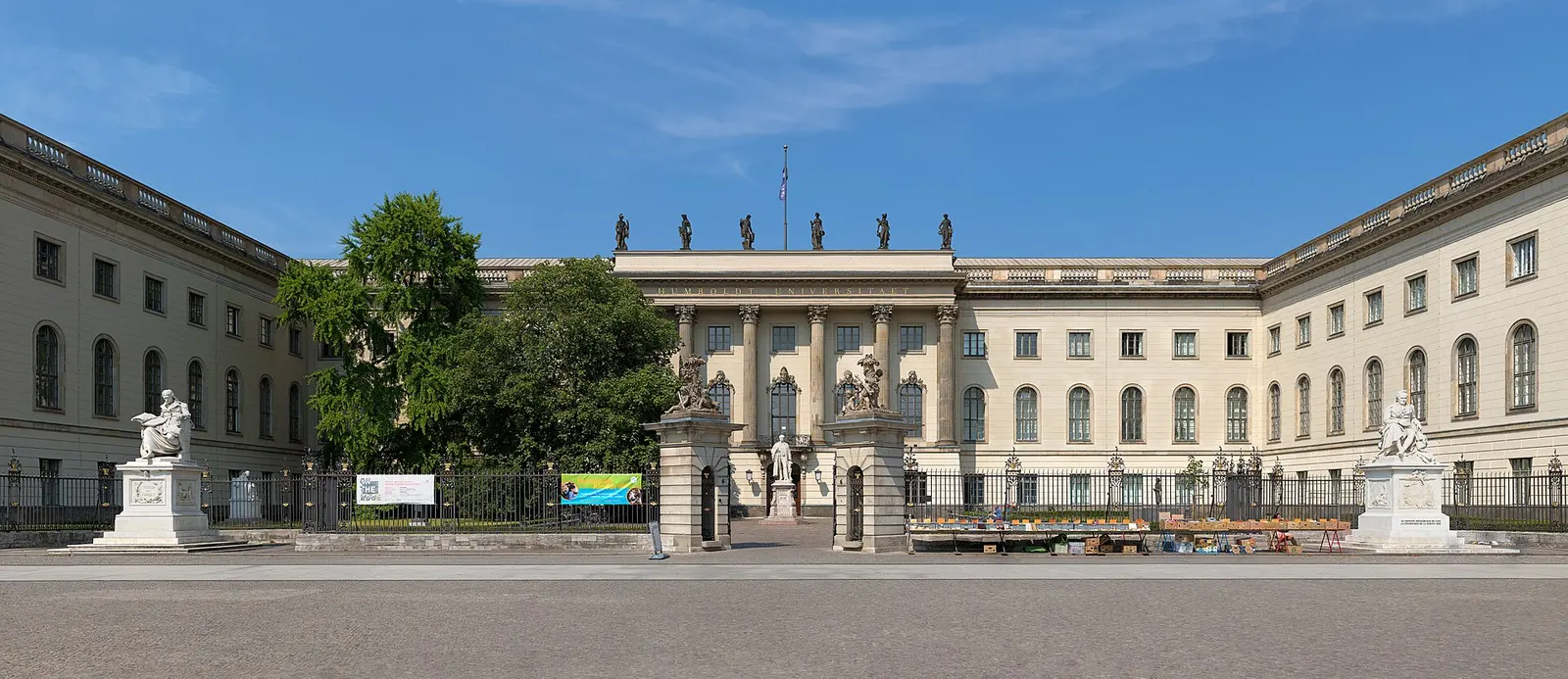
Photo: Christian Wolf ( www.c-w-design.de ) · CC BY-SA 3.0 de · Wikimedia Commons
The short answer
At a public university with no tuition, plan for about €12,750 for the first year. That is €11,904 for living costs, which you show for the visa, plus two semester contributions of roughly €420 each.
In Baden-Württemberg it comes to about €15,750, because students from outside the EU pay €1,500 a semester there. At the Technical University of Munich (TUM), a bachelor's works out at roughly €19,800 to €30,200 a year.
These figures are for students from outside the EU, and we checked them on 2 November 2026. Requirements depend on the university, programme and intake year.
What "free" in Germany means for a family
Parents usually hear that studying in Germany is free. Then they open the visa document list and see almost €12,000.
Both are true. Tuition and living money are counted separately. DAAD, the German Academic Exchange Service, says public universities generally charge nothing for bachelor's courses and most master's courses. You still need money to live on.
The good news is that the €11,904 is not a fee. It is your own money, and the student spends it over the year.
The visa amount: €11,904 for the year
For a student visa you must show €992 for each month, which is €11,904 for a year. That figure appears in the German mission's April 2026 information sheet in Hong Kong and on the embassy page in Pakistan. We did not find the embassy's sheet for Moscow, so check the terms with the consulate in your country.
Most people put the money in a blocked account. It cannot be taken out all at once: the student receives up to €992 a month. Other options are a scholarship or a formal commitment from someone living in Germany. The embassy in Pakistan reserves the right to ask for a blocked amount covering up to two years in particular cases.
If the university charges tuition, the amount can grow. The embassy in Nairobi asks for proof of first-year payment, or for the tuition to be added to the blocked amount. Ask your consulate about this early.
The amount may change. It is tied to the BAföG rate, Germany's state support for students. On 12 August 2026 the government approved an increase in these rates, with the first step planned for 1 April 2027. The law still has to pass parliament. We did not find a new visa amount in official sources.
What you pay the university
Here is the bill for one year in three scenarios. Semester contributions come from university websites for 2026, living money from the visa minimum, and for Munich from TUM's own estimate.
- University with no tuition: €11,904 + 2 contributions of €421.43, as at the University of Giessen. Total about €12,750.
- Baden-Württemberg: the same costs + €3,000 for two semesters. Total about €15,750. Each university sets its own contribution.
- TUM, bachelor's: €2,000 or €3,000 a semester, living costs of €1,300 to €2,000 a month. Total about €19,800–30,200.
- TUM, master's: €4,000 or €6,000 a semester. Total about €23,800–36,200.
The semester contribution and fees in Bavaria
Everyone pays the semester contribution. DAAD puts it between €70 and €430. For winter 2026/27 it is €421.43 in Giessen and €412.30 at Saarland University.
Most of the Giessen contribution goes on a transport ticket: €226.80 a semester. If the ticket is part of the contribution, you do not need to buy one separately. At TUM the contribution for summer 2026 was €97, and the discounted Deutschlandticket is bought separately there.
In Bavaria, universities decide for themselves whether to charge students from outside the EU. TUM has announced an increase from winter 2027/28: €2,300 or €3,400 a semester for a bachelor's, €4,600 or €6,800 for a master's. Students already enrolled stay on their rate until they finish the programme.
Is €992 a month enough? The sums by city
The answer depends on the city. Take a room in a shared flat (WG) using MMI institute and WG-Gesucht figures for winter 2026/27, plus health insurance of €141.16. That is the TK fund's rate from 1 January 2026 for a student under 23. Here is what is left of €992:
- Munich, room €850: €0.84 left.
- Berlin and Hamburg, €650: €200.84 left.
- Cologne, €640: €210.84 left.
- Frankfurt am Main, €630: €220.84 left.
- German average, €510: €340.84 left.
We'll work out Germany for your budget
Tell us the level of study, the city and your sum for the year. We'll say which universities fit and how much is missing.
How to read these figures
The city figures are medians: half of rooms cost less, half cost more. The price usually already includes electricity and internet. What is left has to cover food, phone, books and everything else.
Student-services housing (Studierendenwerk) is usually the cheapest. According to a German government reply of November 2025, the average warm rent there was €305.52 in 2024. In 2024 there were 240,728 subsidised places for about 2.4 million students, so apply as early as you can and keep a fallback.
DAAD estimates €900 to €1,200 a month depending on the city. TUM gives €1,300 to €2,000 for Munich. So in Munich the visa minimum satisfies the consulate, but the family will need to add money for actual living.
A part-time job helps, within limits: a student from outside the EU can work 140 full days or 280 half days a year. There is more in our article on working while you study. The student insurance rate usually lasts until 30, which we cover in the article on age.
One-off costs people forget
You pay these once, and they are not in the sums above:
- National visa: €75, or €37.50 for minors.
- Document check by uni-assist: €75 for the first chosen course and €30 for each further one, per semester. Not every university uses it.
- Opening a blocked account: each bank or provider has its own price.
- Translations, apostille, flight and the first month's rent: these depend on your country and city.
Four mistakes in a family budget
These are the ones that cost the most:
- Counting only the €11,904. Contributions, insurance and one-off costs take money too. Insurance comes out of your €992, so less is left to live on.
- Choosing Munich and budgeting on the visa minimum.
- Searching for a free university from a general list. Fees depend on the state and the university, and TUM charges them for bachelor's courses too.
- Forgetting the preparatory year. A school leaver from Russia often needs a Studienkolleg first, which adds a year to the budget. See our article on applying after school.
What you can do yourself and what we can take on
You can work out the budget yourself from this article. The harder part is knowing where your school or university document will get you in, whether you need uni-assist, and what the deadline is for a given programme. A mistake here can move your start by a semester or a year.
We check your documents, choose universities that fit the budget and prepare your file. The uni-assist and VPD file costs $190. Help with a blocked account is on request, through a vetted partner, at $100. You pay uni-assist and consulate fees yourself. The university and the consulate make the decisions.
What to do today
Write down three things: the level of study, the city, and the sum your family can set aside for a year. Compare it with the three scenarios above.
If you have about €12,750, look at universities with no tuition and cities cheaper than Munich: all universities in Germany. If you have less, check grants in Germany or compare visa amounts in other countries.
Want the sums for your own case? Fill in the form and we will suggest universities and cities that fit your budget.
Frequently asked questions
How much money do I need for a German student visa in 2026?
€992 for each month, which is €11,904 for a year. Most people use a blocked account. If the university charges tuition, the consulate may ask you to prove that too. Check the terms with the consulate in your country.
Is it true that studying in Germany is free?
Many public universities charge no tuition, but everyone pays a semester contribution: €70 to €430 according to DAAD. In Baden-Württemberg students from outside the EU pay €1,500 a semester, and in Bavaria universities decide for themselves.
Do I get the blocked account money back?
The student receives it directly, up to €992 a month, and spends it on living costs. It is not a fee or a payment to the university. Withdrawal terms and charges depend on the bank or provider.
Is €992 enough to live on in Munich?
Barely. The median room in a shared flat costs €850 and TK insurance for a student under 23 costs €141.16, which leaves €0.84 of the €992. TUM estimates living costs in Munich at €1,300 to €2,000 a month.
Will the visa amount rise in 2027?
It may. It is tied to the BAföG rate, and the government has approved an increase from April 2027. The law is still going through parliament. As of 2 November 2026 we found no new official visa amount.
Still have questions about this topic?
Tell us about your situation — we'll give you a specific answer, not generic phrasing.
The countries in this piece
 Germany

Write to us
Tell us where you'd like to study and what you're interested in. We'll suggest where to start and how we can work together.