
South China University of Technology
South China University of Technology
Tell us about your profile and we will answer for this university: your chances, the deadlines and what to prepare.
Shortlist a few and we'll compare them side by side and assess each one.
History, Status, and Location
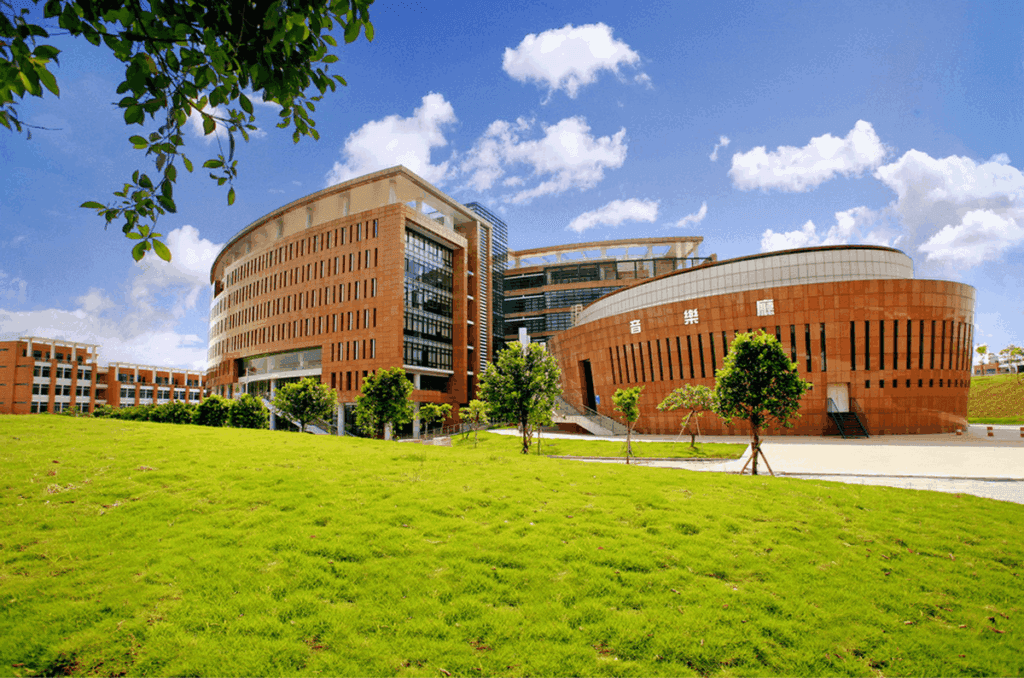
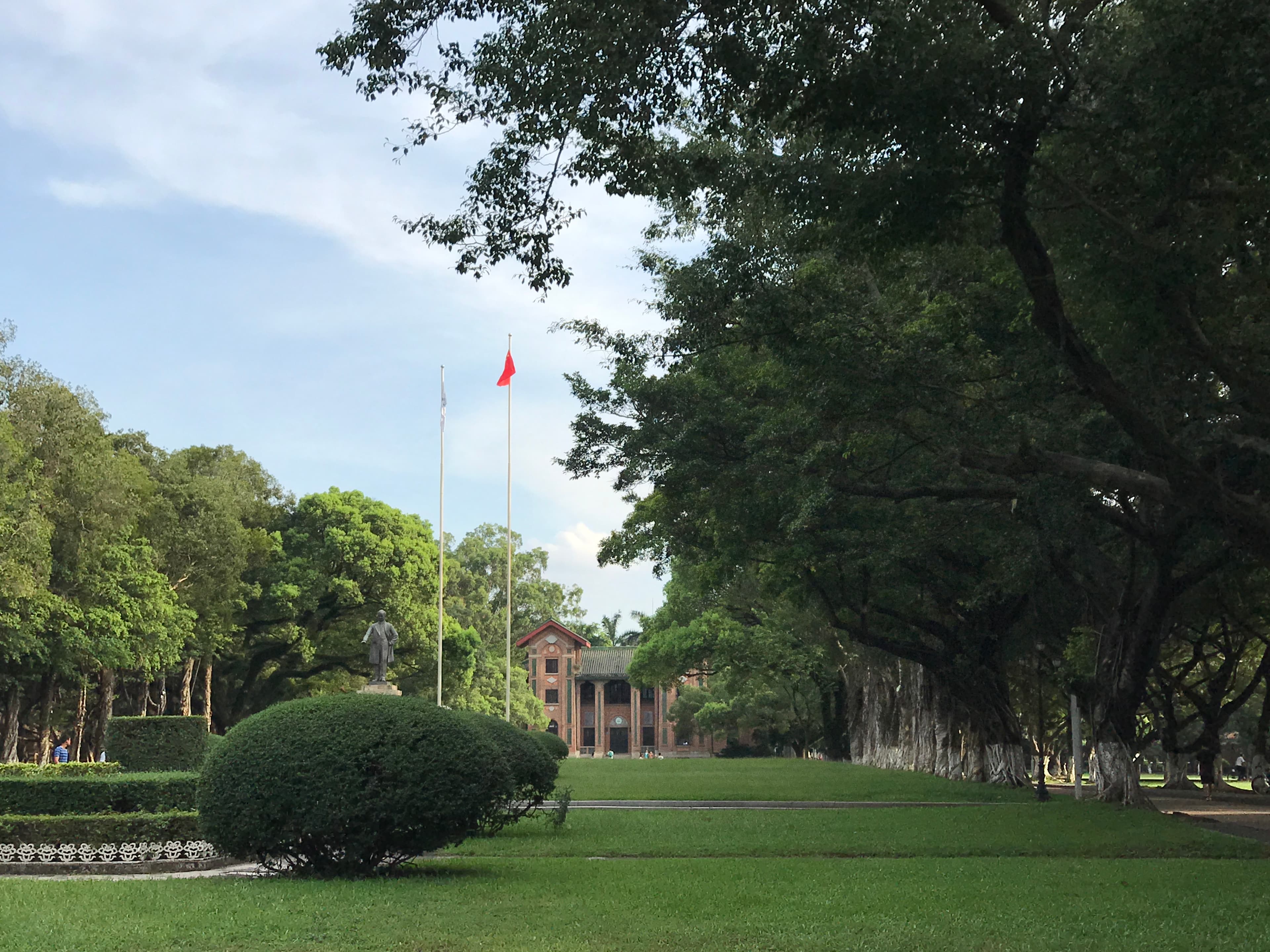
South China University of Technology, situated in Guangzhou, the capital of Guangdong Province, holds a distinguished position among China's leading technical universities. Founded in 1952 through the merger of engineering faculties from several southern institutions, it became one of the country's first key national universities and today participates in both the prestigious Project 211 and Project 985 initiatives. The university spans three campuses covering roughly three hundred hectares, with its main Wushan campus in the Tianhe district blending historic architecture and modern research facilities in a setting where engineering tradition meets cutting-edge innovation.
The university's location is one of its greatest assets. Guangzhou, a metropolis of over fifteen million people, serves as the economic and transportation hub of South China and the gateway to the Greater Bay Area, which encompasses Hong Kong, Macau, and the cities of Guangdong Province. This vibrant city is renowned for its trading heritage, Cantonese cuisine, subtropical climate, and dynamic business environment. Proximity to the manufacturing clusters of Shenzhen and Dongguan, as well as to international markets, makes Guangzhou an ideal base for a university with a strong applied engineering profile—students gain not only theoretical knowledge but also access to real production facilities, startup incubators, and partnerships with major corporations.
Chinese universities tighten portfolio and motivation-letter requirements every year — we track this university by university, so every application matches what the admissions committee actually expects right now.
Academic Strengths and Research Infrastructure
SCUT's academic reputation rests primarily on its engineering and technology programs. The university is particularly strong in chemical engineering, materials science, mechanical engineering, architecture, and food science. Its School of Architecture is one of the oldest and most respected in China, while the School of Chemical and Chemical Engineering regularly ranks highly in national and regional assessments. Programs in light industry, including research in sugar processing and fermentation, have deep historical roots and remain relevant thanks to the university's close ties with South China's manufacturing sector.
The university's research infrastructure includes several state key laboratories and engineering centers. Work is conducted in areas such as advanced materials, energy-efficient technologies, biotechnology, and artificial intelligence. SCUT collaborates actively with international partners and industrial giants, enabling students and doctoral candidates to participate in pioneering projects and graduates to find employment with leading regional companies. Many of SCUT's research groups operate at the intersection of fundamental science and commercialization, which is especially valuable for those planning careers in innovative entrepreneurship.
Show the full profile
Admission Competitiveness and Requirements
Admission to SCUT is moderately competitive, especially for popular engineering and architecture specialties. The university does not rank among China's ten most selective institutions, yet it nonetheless requires solid academic preparation, a well-crafted motivation statement, and in some cases an interview. SCUT's advantage lies in combining high-quality education with more accessible admission standards and living costs compared to Beijing or Shanghai. Guangzhou offers a comfortable urban environment, well-developed infrastructure, and a milder climate, all of which make adaptation less stressful for international students.
For international students, South China University of Technology offers a wide range of programs taught in Chinese, with some master's and doctoral programs available in English. Most undergraduate majors are taught in Chinese, requiring applicants to demonstrate language proficiency at HSK 4 or higher, though specific requirements may vary by faculty. The university provides one-year preparatory language programs for those who need to strengthen their Chinese before beginning degree studies, and this pathway is particularly popular among students from Russia and other post-Soviet countries.
Scholarships and Financial Support
Scholarship opportunities are a key consideration for international applicants. The university participates in the Chinese Government Scholarship (CSC) program, which covers tuition, accommodation, and a monthly stipend. Additionally, Guangdong Province and the university itself offer scholarships for talented international students. Competition for these grants exists, but it is less intense than at universities in Beijing or Shanghai, making SCUT an attractive option for those seeking a balance between prestige, program quality, and realistic chances of funding.
Campus Life and Career Prospects
Student life at South China University of Technology is diverse and engaging. The campus hosts dozens of student clubs, sports teams, and cultural organizations. The university organizes international festivals, academic conferences, and career fairs where students can meet representatives from major companies. International students live in dormitories typically equipped with air conditioning and internet access; conditions are comfortable, though not luxurious. Guangzhou as a city offers endless opportunities for leisure—from traditional tea houses and night markets to modern shopping malls and museums.
SCUT graduates are in demand in the job market thanks to their solid engineering training and the university's industry connections. Many find employment in Guangdong, Shenzhen, and Hong Kong, in sectors such as manufacturing, energy, construction, IT, and biotechnology. The university maintains an active alumni network and a career center that assists students with job placement and internships. For international students planning to work in China after graduation, SCUT opens doors to the rapidly developing Greater Bay Area, which the Chinese government actively promotes as a zone of innovation and international cooperation.
How we help you apply
Applying to South China University of Technology requires careful preparation of documents, an understanding of application deadlines, and in many cases a strategic approach to program selection and motivation letter drafting. For Russian-speaking applicants, it is important to consider the nuances of document translation, the particularities of the Chinese education system, and language certificate requirements.
UNIPROFI assists students at every stage of this journey—from choosing the right major and building a competitive dossier to applying for scholarships and arranging visas. If you are aiming for quality engineering or technical education at one of South China's leading universities, our Guided Admission to China and Turnkey Admission to China packages provide professional support and confidence in your success.
Tell us about yourself — we'll build an admissions strategy for this exact university.
Many students get in through our preparatory Language Year — an intensive year of Chinese at a partner university, followed by a move onto the main program.
What the Language Year isFrom application to admission
Profile review and strategy
We study your academic profile, goals and budget, assess your real chances, and shortlist universities and grants for your specific situation.
Document preparation
We help with translation, notarization, your motivation letter, CV and recommendations — tailored to each university's requirements.
Filing applications and university correspondence
We file your documents, track status, respond promptly to admissions offices, and keep every deadline under control.
Visa, move and your first weeks
We arrange your visa, insurance and medical exam, help with housing and transfer, and stay in touch after you arrive.
How we support admission here
From filing documents on your own to admission at one of China's top-10 universities — pick the level of involvement that fits you, and see exactly what's included in each tier.
If you're not admitted to any of your chosen universities, then under the terms of the agreement we'll refund your payment minus documented expenses, or support a free re-application the following year.

Common questions about admission
Why apply through UNIPROFI specifically?
UNIPROFI is about a well-thought-out application and a strong outcome: we build an application path around your profile, goals and the requirements of your selected universities. You work with mentors who are current students or graduates of these schools, so you get real understanding of the system, campuses and opportunities — not theory. We take on complex cases (including minors and admission without an 11th-grade diploma), build an individual strategy for your profile and goals, and support you through every stage, from documents to your visa.
Do you guarantee admission?
We don't offer "guarantees for the sake of a sale," because no one can directly influence a university's decision. What we do is structure everything to minimize the risk of rejection — matching you to the right universities, building a strong application strategy, and preparing documents carefully. Any refund or re-application arrangement is governed only by the current service agreement and the circumstances of the case.
What are my actual chances of getting in?
We do not state a universal admission probability because the decision belongs to the university. We instead assess your profile, programme requirements and application strategy.
Can I apply on my own — why do I need you?
You can, but most students end up losing time, making mistakes, or settling for weaker universities. We save you months, help you start at a stronger level, and prevent the mistakes that can cost you admission.
Get in touch to get started
Tell us about yourself and what you're specifically interested in — our specialists will help you find the right format.