
A year is lost on the calendar, not on the documents: when universities open and close
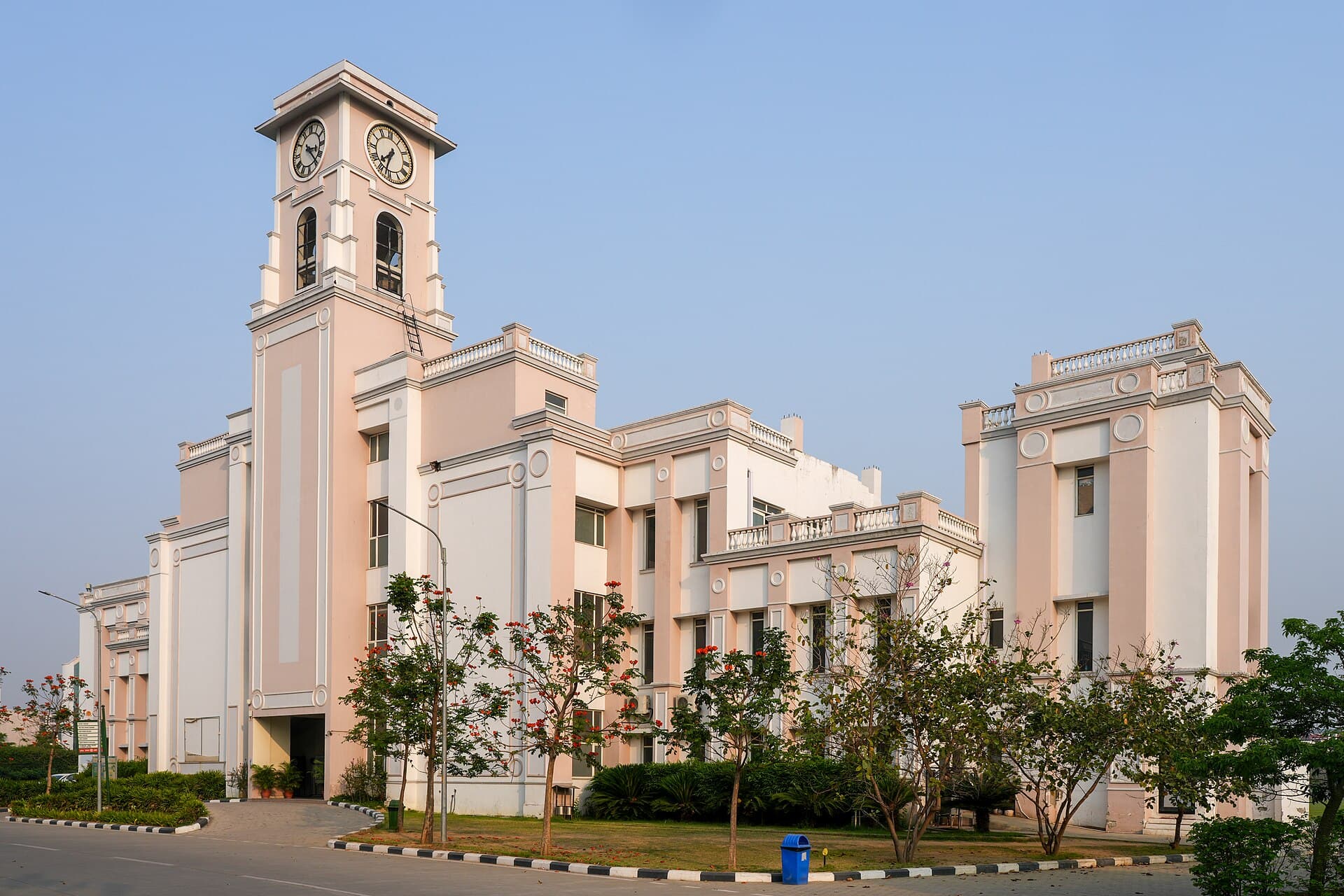
Photo: Timothy A. Gonsalves · CC BY-SA 4.0 · Wikimedia Commons
Why this costs more than it looks
Documents can be finished, a letter rewritten, a language improved. A missed deadline is fixed by nothing: the next window opens in a year.
And the windows are built differently everywhere, with no general rule. One university runs two rounds with different subjects in each; another a single month a year; a third closes not at midnight but at five in the afternoon, local time.
Below are the dates as read on the universities' own pages in October 2026. Where a cycle has closed we give the previous intake's dates, which show which months to expect the next one in.
Open right now
Tsinghua runs two rounds. The first, 30 September to 20 November 2026, results in January; Design and Fine Arts are offered in this round only. The second, 21 November to 28 February 2027, results in early May; the Tsinghua–CUHK dual degree in Economics only in that one.
Politecnico di Milano, non-EEA master's, September 2027 intake: Architecture and Design from 1 October 2026 to 28 January 2027; Engineering in two calls, 1 October to 1 December 2026 and 12 January to 25 February 2027. The closing date is not the only thing that matters here: from 2 December the university's own fee goes from €50 to €150.
Kyoto University, the iUP programme, October 2027 enrolment: 2 November to 3 December 2026, and the system closes at 17:00 Japan time. Not midnight — exactly the detail a year gets lost on.
We'll build your application calendar
We'll go through the dates for your shortlist, work out what is still reachable, and say plainly if a university is out of the question this year.
China: winter and early spring
Peking University opens on 1 January and closes on 28 February — a window exactly two months wide, in midwinter. An application whose fee is unpaid is not processed at all.
Zhejiang University works differently: early action from 1 December to 28 February, with a final deadline of 31 May for some majors.
The practical conclusion for China: documents are gathered in autumn. By January the translations, the legalisation and the language certificate have to exist — two months of open window is not enough to produce them.
Japan: applying ten months ahead
The Japanese academic year starts in April or October, and applications run well ahead of it.
Waseda accepted applications to its English-taught programmes from 8 January to 10 February for the September 2026 intake. Osaka's international human sciences programme ran from 1 December to 6 January.
So enrolling in autumn 2027 means applying in the winter of 2026/27. If the plan is to start in the summer, it is already a year late.
Italy and Spain: summer, with a catch
Sapienza closed to non-EU applicants on 15 May and stayed open to EU ones until 31 July — two and a half months of difference, on the question of a visa alone. Separately, pre-enrolment through the Universitaly portal has to be completed by 30 June.
The Autonomous University of Madrid: the ordinary period runs 5 to 26 June, and for foreign education systems to 6 July at 14:00. Complutense runs an early admission for international students from 20 January to 1 April. Madrid Politécnica accepts applications with foreign qualifications from 26 January to 10 March.
The Spanish catch is not in the dates but in what has to exist before them: homologación of the certificate and UNEDasiss accreditation are separate procedures on their own schedules, set out in the UNEDasiss piece.
How not to lose a year
Write down three dates for every university on your list: when the application opens, when it closes, and at what time local. The third is the one people skip.
Count backwards from the earliest closing date: translations and legalisation take weeks, a language exam takes months. With less than three months between today and the deadline, the list probably has to get shorter.
And check whether the fee moves with the date. Milan's is three times higher after 1 December — for exactly the same application.
Each university's page in our catalogue carries its dates, its fee, the page they were read from and the day we read it. Dates change every year — check before you apply.
 Japan
Japan Italy
Italy Spain
Spain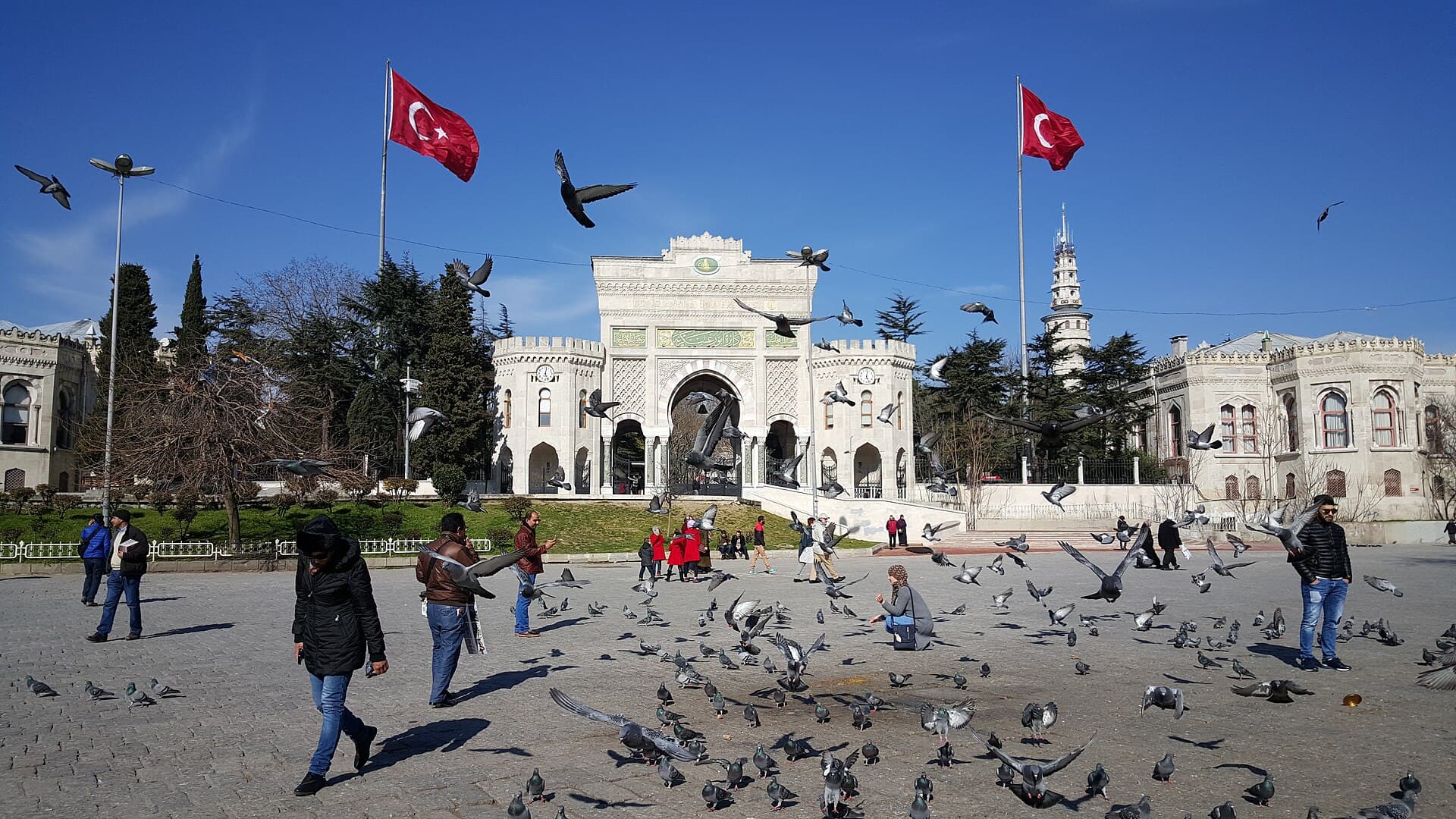

Get in touch to get started
Tell us about yourself and what you're specifically interested in — our specialists will help you find the right format.