
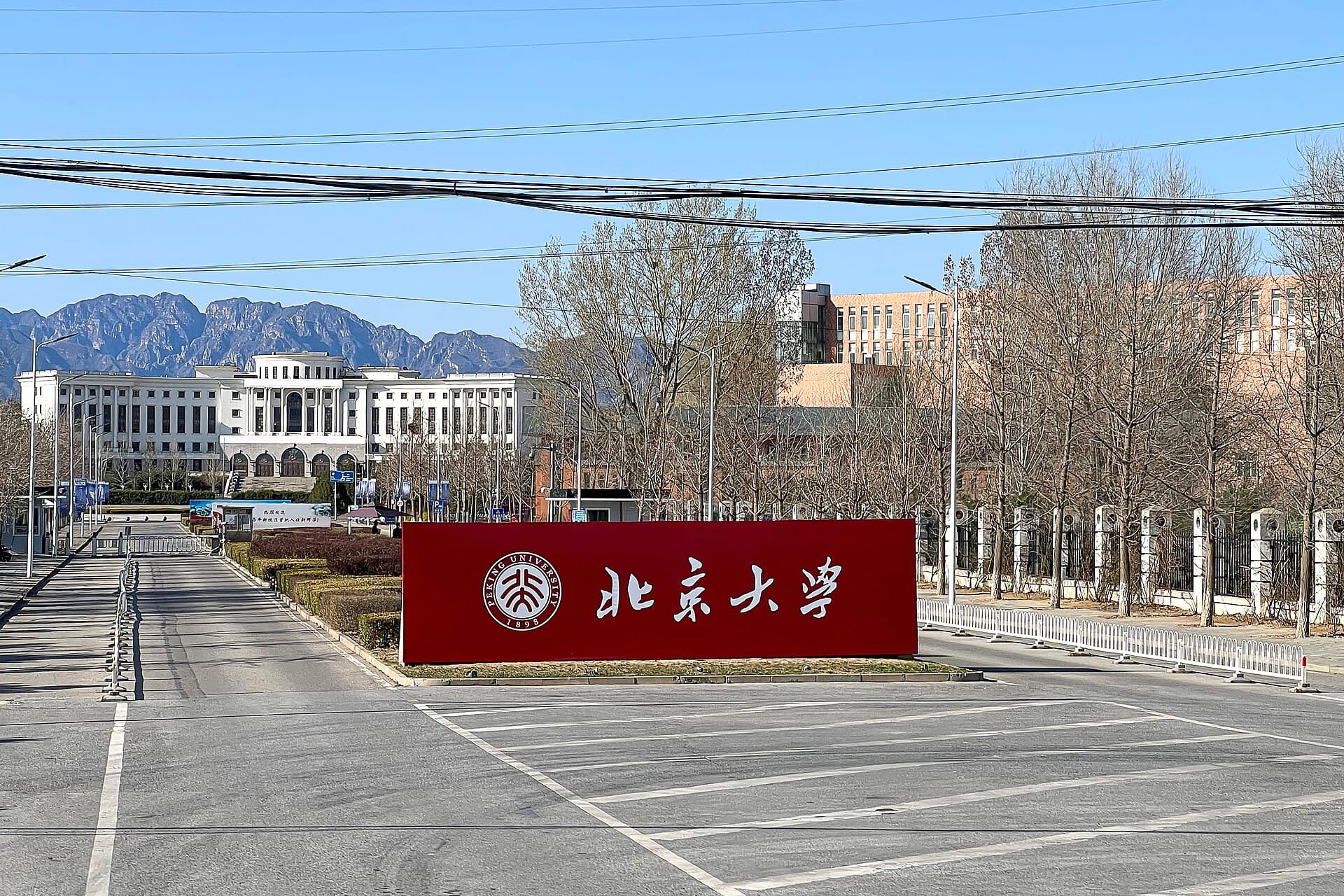
Peking University
Peking University
Tell us about your profile and we will answer for this university: your chances, the deadlines and what to prepare.
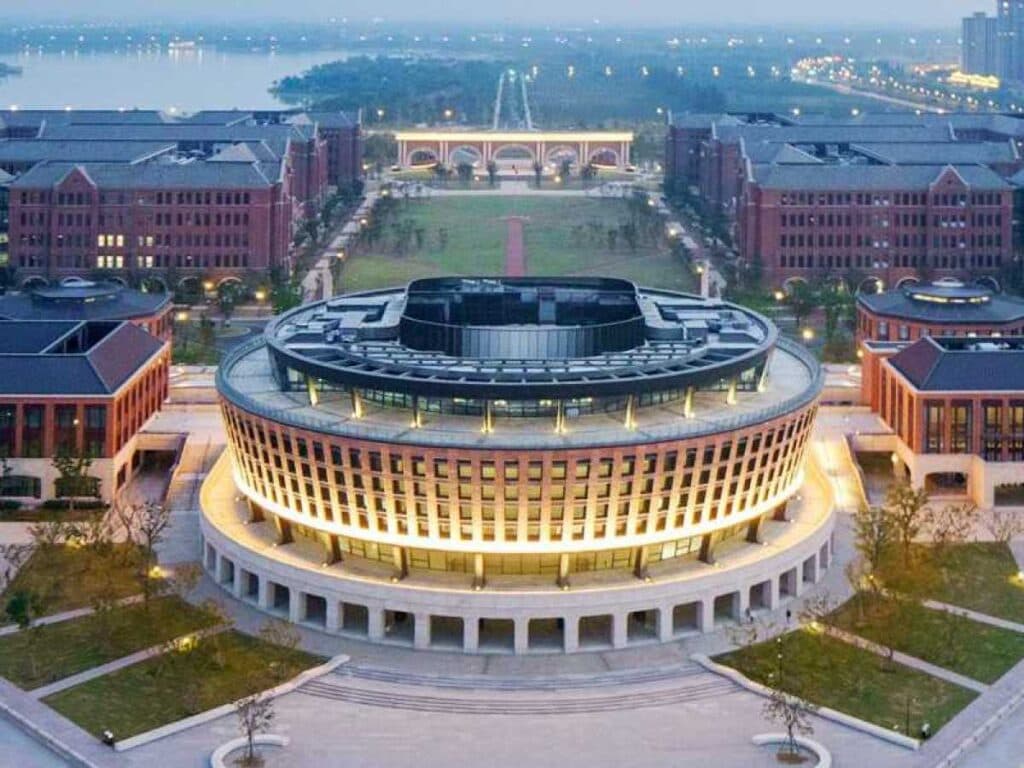
Photo: N509FZ · CC BY-SA 4.0 · Wikimedia Commons
Shortlist a few and we'll compare them side by side and assess each one.
History and reputation: China's intellectual lighthouse
Peking University — often called Beida (北大) — stands as the oldest and most prestigious modern university in China. Founded in 1898 as the Imperial Capital University (京师大学堂) during the final years of the Qing dynasty, it was the first national institution of higher learning modelled on Western lines. Renamed Peking University in 1912 after the Republican revolution, it became the crucible of modern Chinese thought. During the May Fourth Movement of 1919, Beida faculty and students catalysed the intellectual and political transformation of twentieth-century China; its role in shaping the New Culture Movement and fostering progressive ideas left an indelible mark on the country's history.
Today, Peking University ranks among the world's elite institutions. In the QS World University Rankings 2026 it placed joint 14th, and 13th in the Times Higher Education World University Rankings 2026 — the highest of any Chinese university in both tables. Subject-specific rankings place Beida in the global top ten for physics, chemistry, mathematics, materials science, social sciences, and artificial intelligence. This reputation rests on real achievement: Beida is a leading centre for fundamental research, its alumni include Nobel and Turing laureates, ministers, entrepreneurs, and academicians. For international applicants, Beida is not merely a strong university — it is a symbol of Chinese scholarship and a gateway to the country's academic and professional elite.
Chinese universities tighten portfolio and motivation-letter requirements every year — we track this university by university, so every application matches what the admissions committee actually expects right now.
Academic strengths
Peking University is one of the rare truly comprehensive universities in China, excelling equally across the natural sciences, engineering, social sciences, and humanities. The faculties of physics, mathematics, and chemistry form Beida's "golden triangle": they house the National Laboratory for Condensed Matter Physics, the State Key Laboratory for Artificial Microstructures and Mesoscopic Physics, and world-class research groups in quantum matter and nanomaterials. The mathematics and computer science departments are renowned for their work in algorithms, graph theory, machine learning, and quantum computing. The School of Electronics Engineering and Computer Science is a leading Asian hub for AI and big data research.
The humanities and social sciences are equally distinguished. The School of International Studies, the Law School, and the School of Economics train much of China's governing and policy elite. Guanghua School of Management is China's top business school; its MBA and Master of Finance programmes regularly appear in Financial Times global rankings. International students benefit from a growing suite of English-taught master's programmes — the Master of International Relations, the Yenching Academy (an interdisciplinary China Studies master's), the Global MBA — that allow immersion in Chinese context without requiring fluency upfront. The Department of Chinese Language and Literature is one of the finest in the country for those pursuing advanced study of classical and modern Chinese culture and philology. The philosophy department is known for its scholarship on Confucianism, Buddhism, and modern Chinese philosophy. This breadth makes Beida particularly attractive to students who want to work at disciplinary intersections — digital humanities, political economy of technology, computational social science.
Show the full profile
Campus and life in Beijing
Beida's main campus, Yanyuan (燕园), occupies a picturesque site in Beijing's northwestern Haidian district, the city's traditional university quarter and home to many of China's leading research institutions. The campus is famous for its beauty: Weiming Lake (未名湖) at its heart, the Boya Pagoda, ancient trees, and classical gardens recall the site's former role as part of Qing dynasty imperial estates. Architecture blends traditional Chinese pavilions, Soviet-era blocks from the 1950s, and sleek modern research buildings. Students stroll around the lake in the evenings, practice taichi, prepare for exams; the atmosphere is contemplative yet charged with intellectual energy.
Life as an international student at Beida means immersion not just in study but in the capital itself. Beijing is China's political, cultural, and tech centre, dense with museums, theatres, startup accelerators, and international conferences. The city centre is about 40 minutes by metro; Zhongguancun (中关村), China's "Silicon Valley," is practically next door — many students intern or freelance at tech firms. Campus life is vibrant: hundreds of clubs (from traditional calligraphy to robotics), debate nights, film screenings, sports teams. International graduate students typically live in Shaoyuan or nearby residence halls; scholarship undergraduates are also housed. Self-funded students often rent off-campus — the Wudaokou neighbourhood nearby is known as the "cosmopolitan village," lively with international students, bars, restaurants, and convenient transport. Living costs in Beijing are higher than in other Chinese cities but still lower than Moscow or Western European capitals; budget around 3,000–5,000 RMB per month for food, transport, and basics if you're renting a room off-campus.
Competition and entry requirements
Competition for admission to Beida is intense. For Chinese nationals, the acceptance rate is around 1% — virtually unattainable. For international applicants, the picture is different: in 2023, the university received approximately 1,980 applications across all levels and admitted 315 students, an overall acceptance rate of about 16%. Admission to master's and doctoral programmes is significantly more realistic than to undergraduate, but standards remain exacting. Academic performance is the principal factor (roughly 65% of evaluation weight), followed by language proficiency (25%) and interview performance (10%).
For master's and doctoral programmes (the 2026 intake, applications ran from 20 October to 23 December 2025), candidates must submit authenticated degree certificates (documents awarded outside China require verification by the Chinese Service Center for Scholarly Exchange — CSCSE), transcripts, a personal statement with research plan (1,500 words for master's, 3,000 for doctoral), CV, two recommendation letters from professors, and language test scores. For Chinese-taught programmes, HSK 6 with a score of at least 200 (sciences) or 210 (humanities) and no less than 65 on the writing section is required; results from the new HSK 7–9 levels are also accepted. For English-taught programmes, non-native speakers need TOEFL iBT 100+ or GRE 315+, though specific programmes may set their own standards. The application fee is 800 RMB per programme (you may apply to up to two). After the document review, candidates shortlisted for interview (typically held in March) proceed to the second round. Final admission decisions are communicated by May 2026.
For undergraduate admission, there are three pathways: admission without written exam (for those with SAT 1400+ and three AP subjects scoring 4+, or IB Diploma 36+, or A-levels ABB+, or ACT 30+ with writing), Peking University's own entrance exam (Chinese, English, mathematics, followed by a second round), or — newly introduced from 2026 — the China Scholastic Competency Assessment (CSCA, 来华留学本科入学学业水平测试). The necessity of CSCA, which subjects to take, and the exam language depend on the target university, programme, and admission year; applicants should verify the official requirements of the university and CSCA before registration. According to Beida's official site, applicants for the Chinese Government Scholarship at undergraduate level must take CSCA; other admission pathways may also consider or require CSCA depending on the specific programme and year. The exam is held several times annually; registration and details are at csca.cn. Language requirements for undergraduates are high: HSK 6 with 210+. Real competition is fierce — acceptance rates for applicants from South Korea and Thailand, for instance, tend to fall below the average.
Scholarships and funding
Tuition fees at Beida for international students vary by programme. Most master's programmes charge 78,000 to 150,000 RMB per year (for example, the MIR is 150,000 RMB for two years), while doctoral programmes typically cost 200,000–250,000 RMB for the full duration (4–5 years). Exceptions are English-taught business programmes: the Global MBA is 188,000 RMB total, the IMPA (Master of International Public Administration) is 380,000 RMB. Undergraduate tuition is approximately 26,000–30,000 RMB per year. These sums are substantial, but Beida offers a broad range of scholarships.
The flagship is the Chinese Government Scholarship (Type B for direct applicants). It provides full or partial tuition waiver, monthly stipend (around 3,000 RMB for master's students, 3,500 RMB for doctoral), accommodation, and medical insurance. Scholarship application is integrated into the admissions process: one application in Beida's system is automatically considered for all available scholarships — the Chinese Government Scholarship, the Beijing Government Scholarship (several tiers, from full to partial coverage), and the Peking University Scholarship. For prospective master's and doctoral students, the deadline for the scholarship application via Beida's system is 9 March 2026 (9:00 a.m. Beijing time), and via the China Scholarship Council portal (CSC, campuschina.org) by 17 March 2026 24:00. Results are typically announced in July–August. Beida's institution code in the CSC system is 10001, application type is Type B. Important: to apply for the scholarship, you must first submit your admission application, obtain a certificate of preliminary eligibility, and then register on the CSC portal using that certificate.
There is also the bilateral Chinese Government Scholarship (Type A), obtained through the embassy or education authority of your home country — this programme has separate quotas and timelines specific to each country and also covers full funding, but the procedure differs. Students should be aware: scholarship awards are competitive, only a fraction of admitted students receive them, so it is wise to prepare financially to self-fund. All international students are required to purchase the Comprehensive Insurance Plan for Foreign Students (around 800 RMB per year), which must be bought on the day of registration — without it, enrolment will not be completed.
How we help you apply
Gaining admission to Peking University is realistic for motivated and prepared applicants, but it demands meticulous attention to every component of the application. Meeting the threshold HSK or TOEFL score is just the beginning; what matters decisively is the substance of your research plan, the persuasiveness of your motivation, the relevance of your recommendations, correct document formatting, and your performance in the interview. Errors at the application stage — improperly authenticated diplomas, poorly articulated plans, mismatched programme profiles — can close the door even when formal criteria are met.
This is precisely where UNIPROFI excels. Under the Admission to China's Top-10 Universities plan, the company's experts — including graduates of Tsinghua and other top universities — build an individualised strategy tailored to your profile: selecting the right programme and potential supervisor, shaping a research agenda that resonates with the department's priorities, editing your personal statement to academic excellence, preparing you for interviews through mock sessions, and managing the entire document chain — from notarised translations to uploading into the studyatpku.com system. Targeted services are also available — Consultation with a Tsinghua University expert, Admission strategy for China's top universities, Mock interview for China's top universities — useful if you already have a plan but need expert feedback. If Beida requires CSCA, UNIPROFI offers preparation courses (CSCA prep: foundation course and CSCA prep: intensive course) adapted to the exam format. After admission, the team assists with visa, insurance, and practical arrangements. For those aiming for Beida and a scholarship, such support is not a luxury but an investment that multiplies your chances of success.
Tell us about yourself — we'll build an admissions strategy for this exact university.
Many students get in through our preparatory Language Year — an intensive year of Chinese at a partner university, followed by a move onto the main program.
What the Language Year isFrom application to admission
Profile review and strategy
We study your academic profile, goals and budget, assess your real chances, and shortlist universities and grants for your specific situation.
Document preparation
We help with translation, notarization, your motivation letter, CV and recommendations — tailored to each university's requirements.
Filing applications and university correspondence
We file your documents, track status, respond promptly to admissions offices, and keep every deadline under control.
Visa, move and your first weeks
We arrange your visa, insurance and medical exam, help with housing and transfer, and stay in touch after you arrive.
How we support admission here
From filing documents on your own to admission at one of China's top-10 universities — pick the level of involvement that fits you, and see exactly what's included in each tier.
If you're not admitted to any of your chosen universities, then under the terms of the agreement we'll refund your payment minus documented expenses, or support a free re-application the following year.
Common questions about admission
Why apply through UNIPROFI specifically?
UNIPROFI is about a well-thought-out application and a strong outcome: we build an application path around your profile, goals and the requirements of your selected universities. You work with mentors who are current students or graduates of these schools, so you get real understanding of the system, campuses and opportunities — not theory. We take on complex cases (including minors and admission without an 11th-grade diploma), build an individual strategy for your profile and goals, and support you through every stage, from documents to your visa.
Do you guarantee admission?
We don't offer "guarantees for the sake of a sale," because no one can directly influence a university's decision. What we do is structure everything to minimize the risk of rejection — matching you to the right universities, building a strong application strategy, and preparing documents carefully. Any refund or re-application arrangement is governed only by the current service agreement and the circumstances of the case.
What are my actual chances of getting in?
We do not state a universal admission probability because the decision belongs to the university. We instead assess your profile, programme requirements and application strategy.
Can I apply on my own — why do I need you?
You can, but most students end up losing time, making mistakes, or settling for weaker universities. We save you months, help you start at a stronger level, and prevent the mistakes that can cost you admission.
Get in touch to get started
Tell us about yourself and what you're specifically interested in — our specialists will help you find the right format.